Distributed systems coordinate computation and data across multiple independent nodes, tolerating partial failures while appearing as a single coherent service. Building reliable distributed systems requires understanding the fundamental tension between consistency, availability, and partition tolerance — the CAP theorem that shapes every design decision.

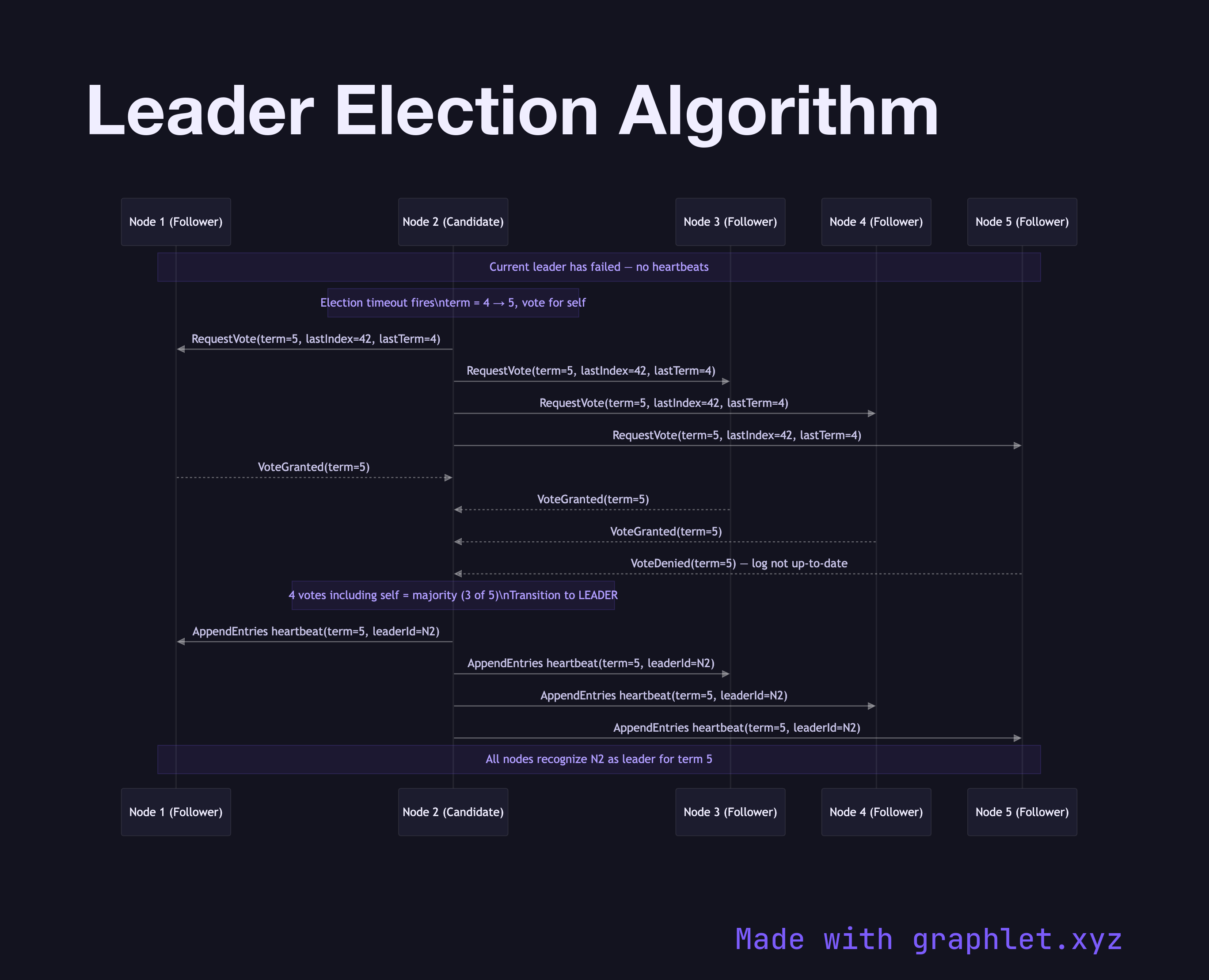
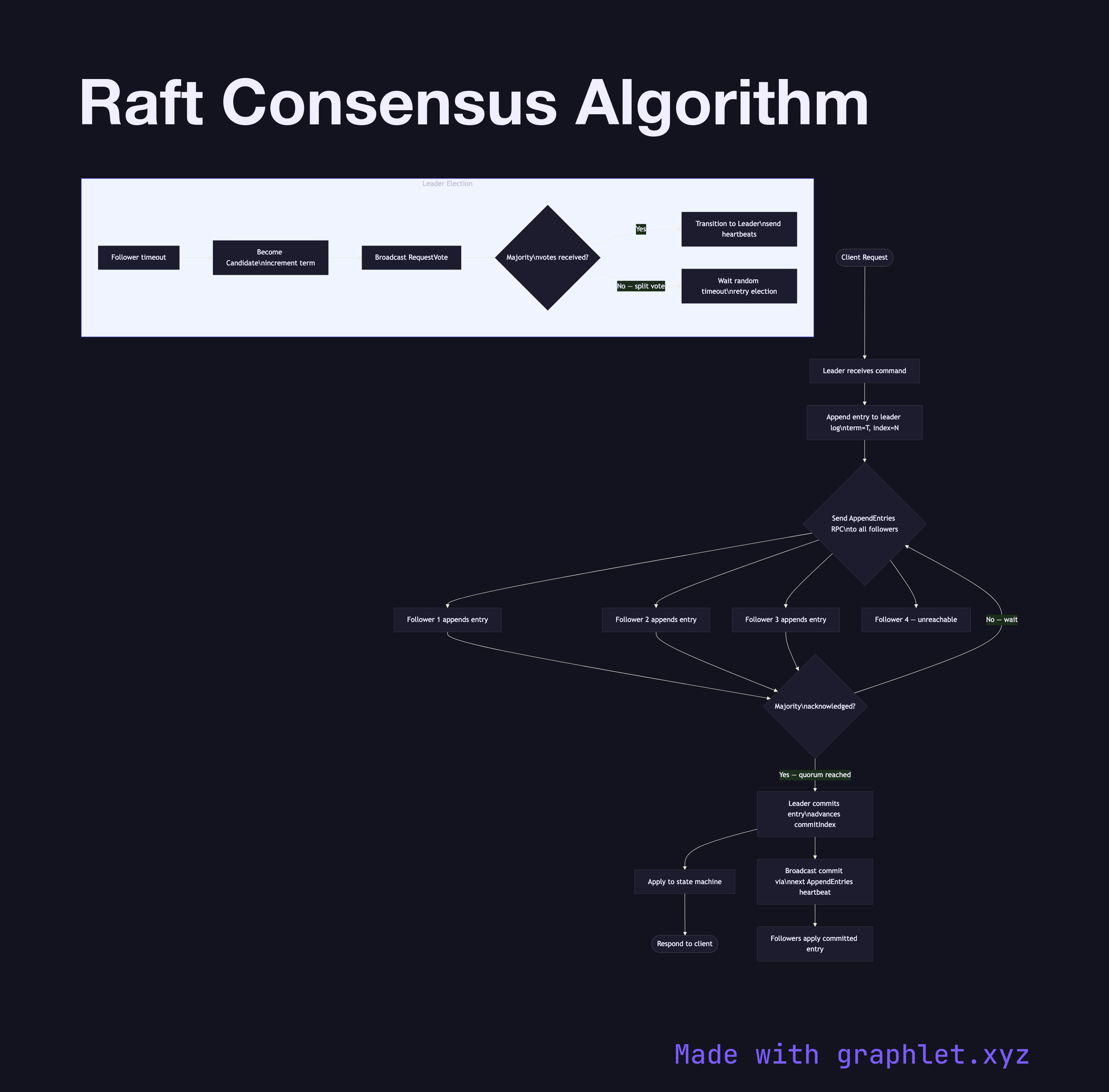
This collection of 10 free Mermaid diagrams covers the core algorithms and architectures that power modern distributed infrastructure. Consensus is the hardest problem: Raft Consensus Algorithm provides an understandable log replication protocol, while Paxos Consensus Flow shows the classic two-phase approach. Leader Election Algorithm illustrates how nodes self-organize to designate a coordinator when the current leader fails.

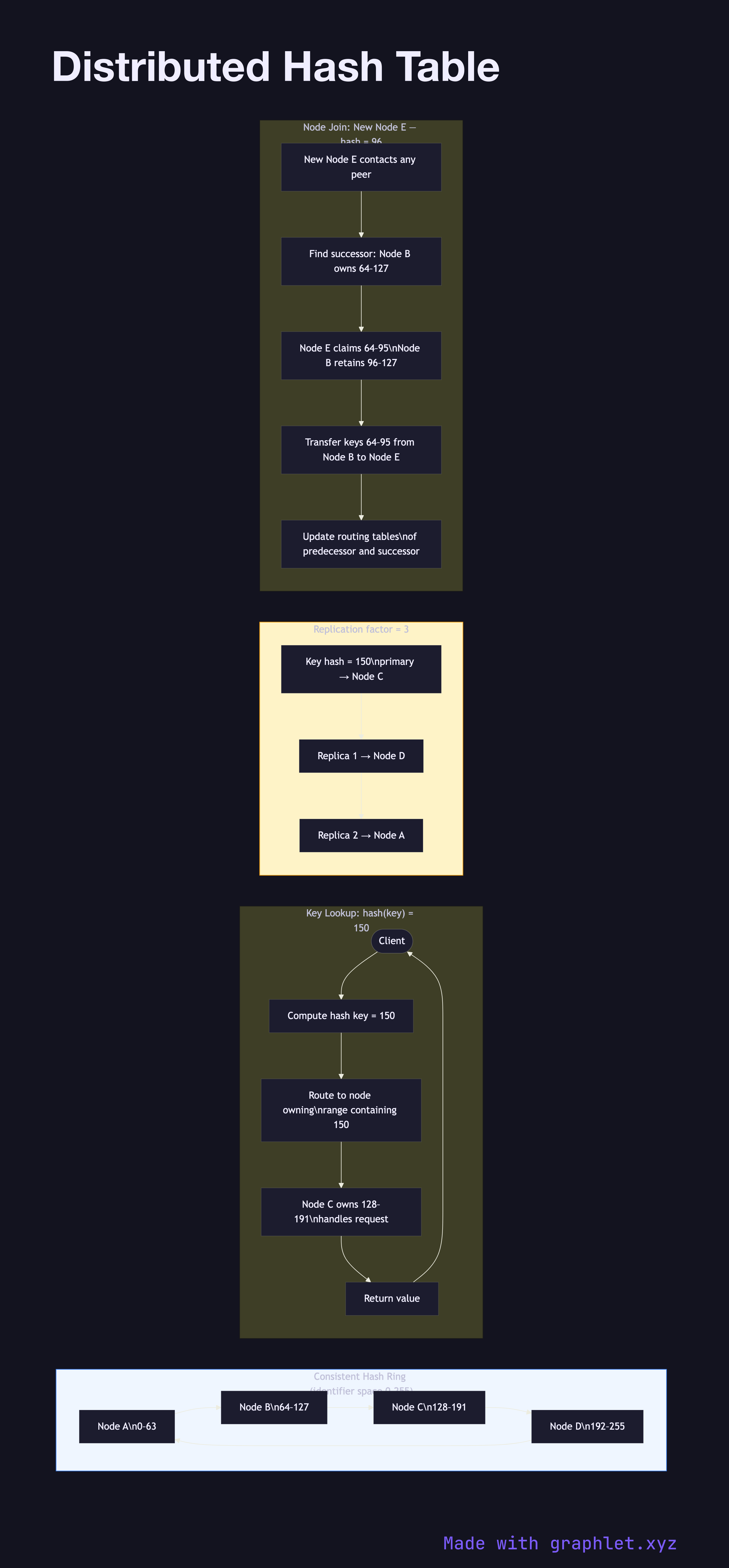
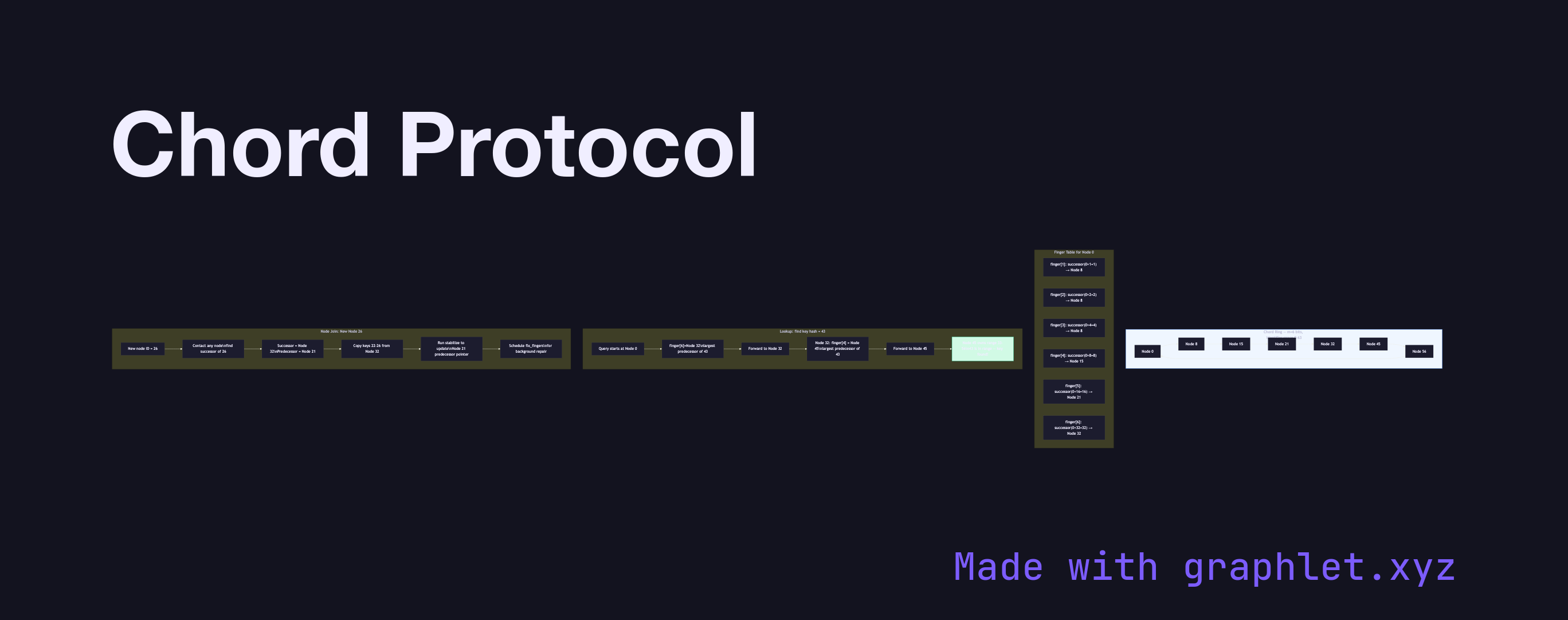
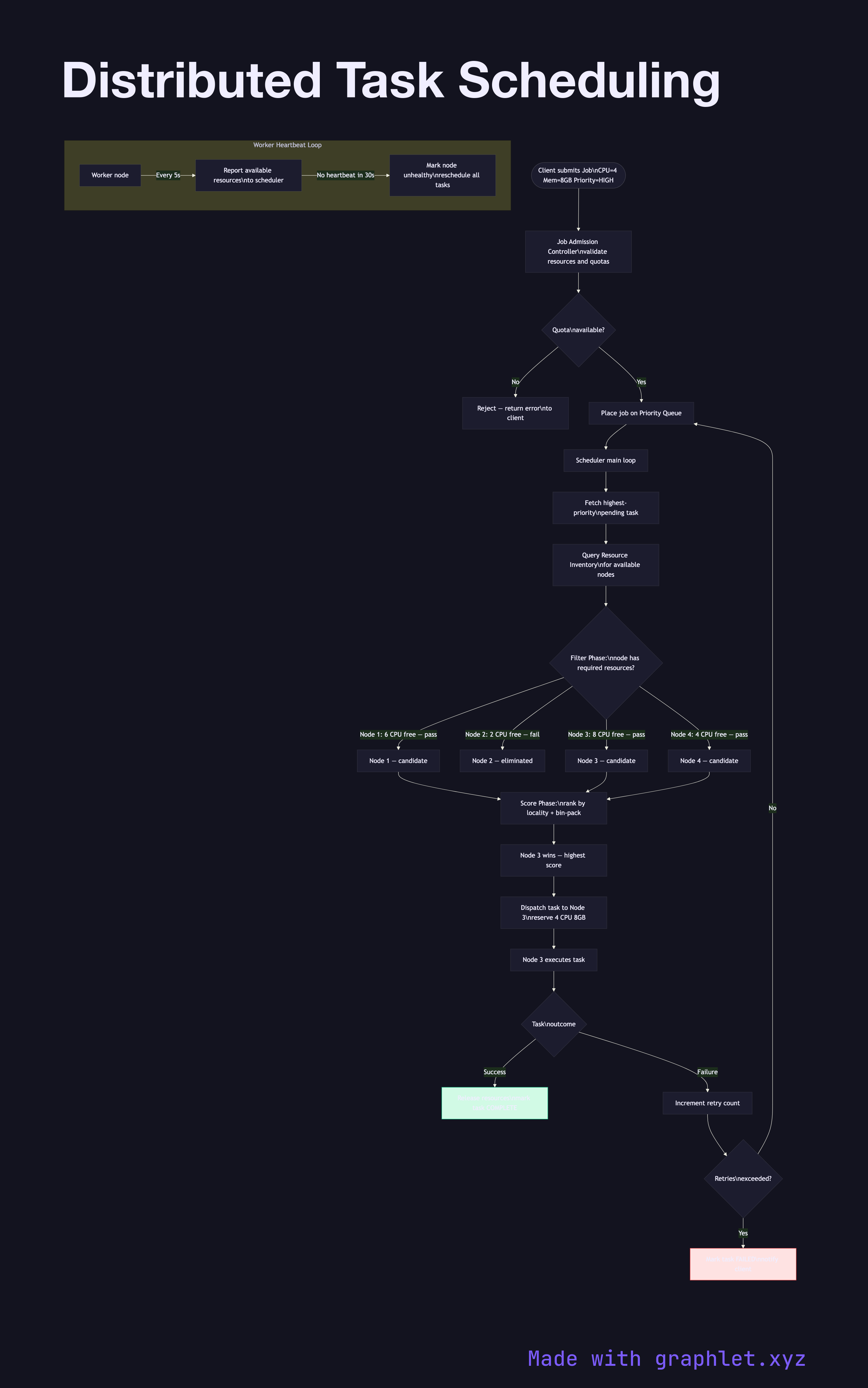
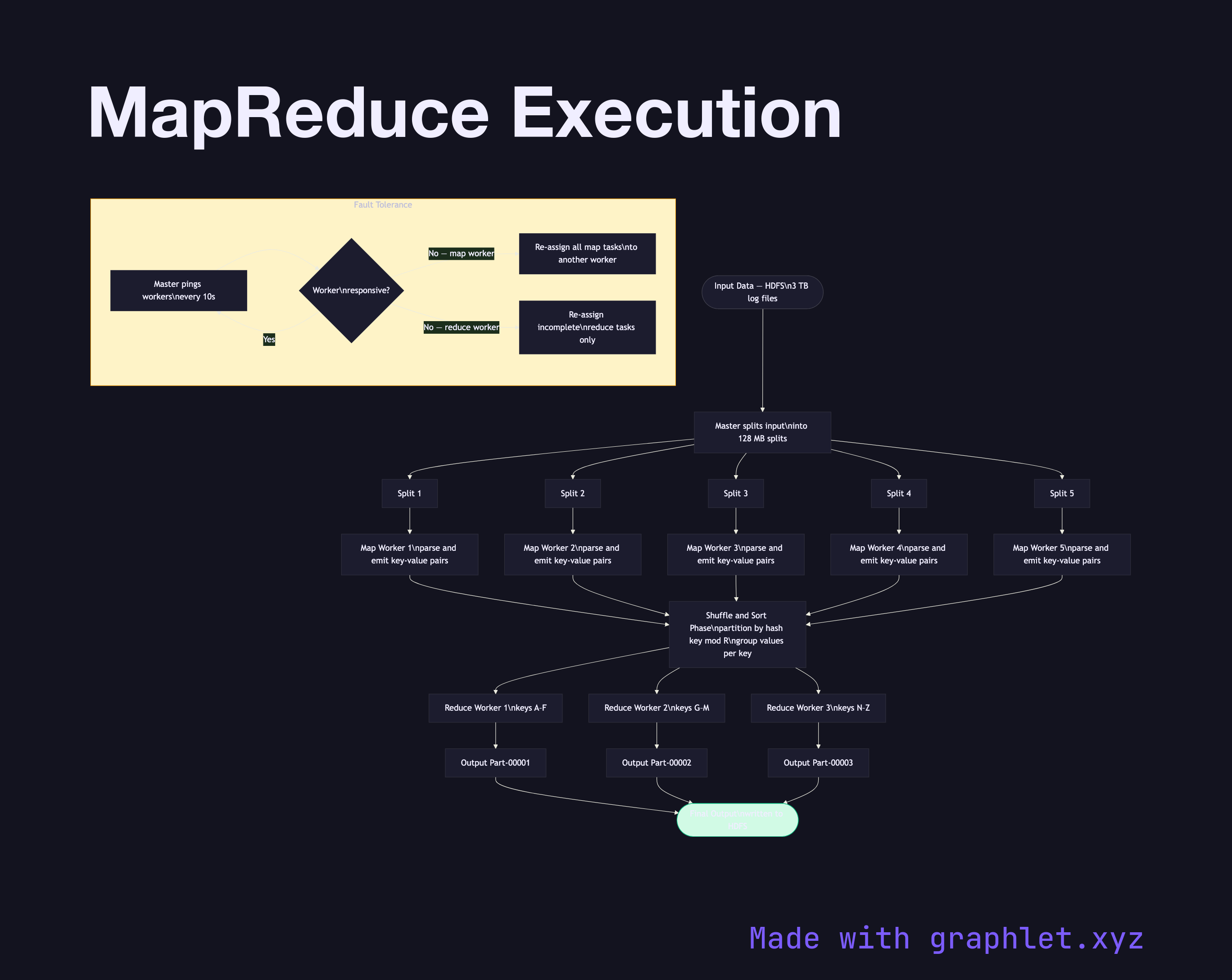
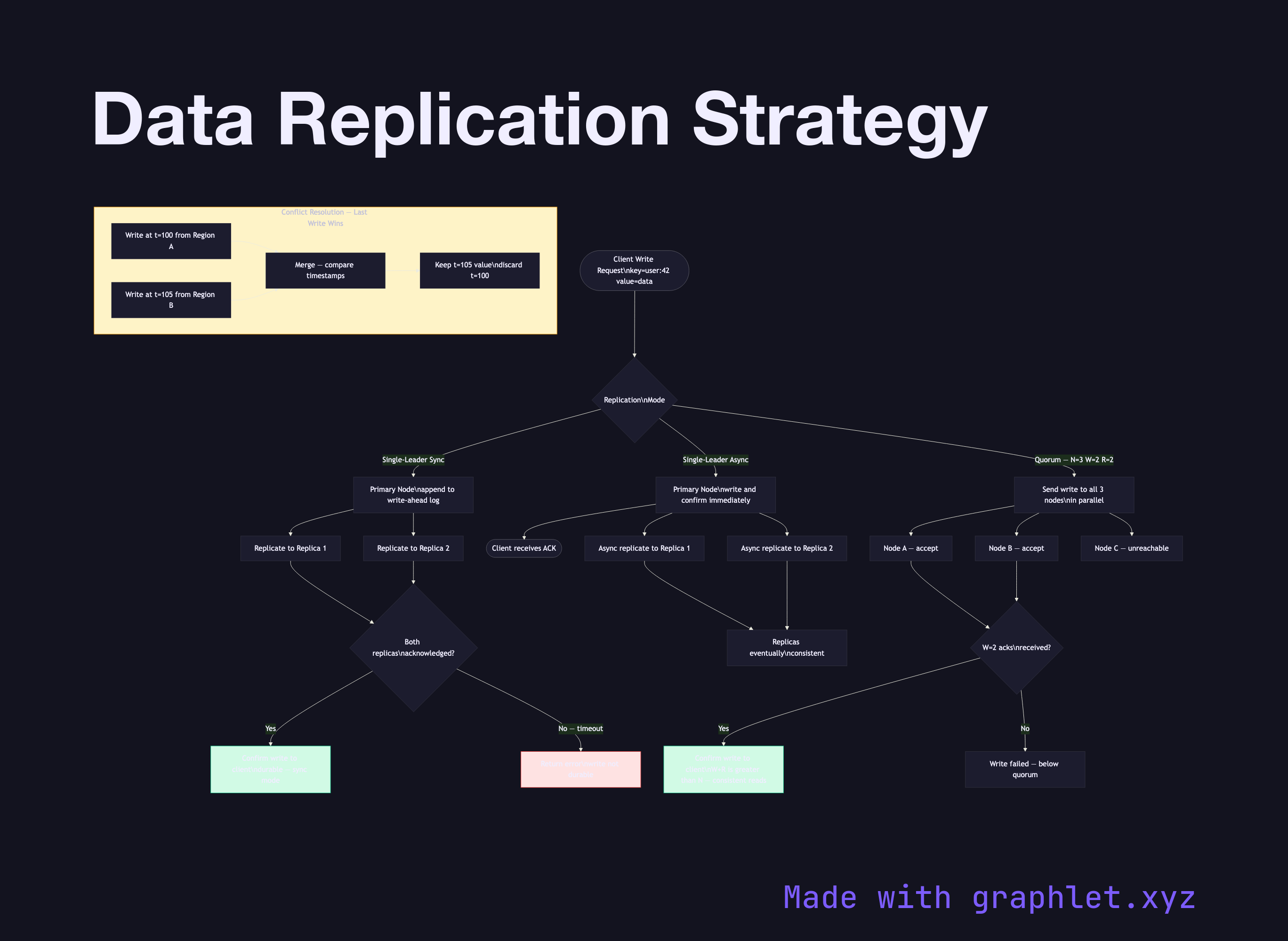
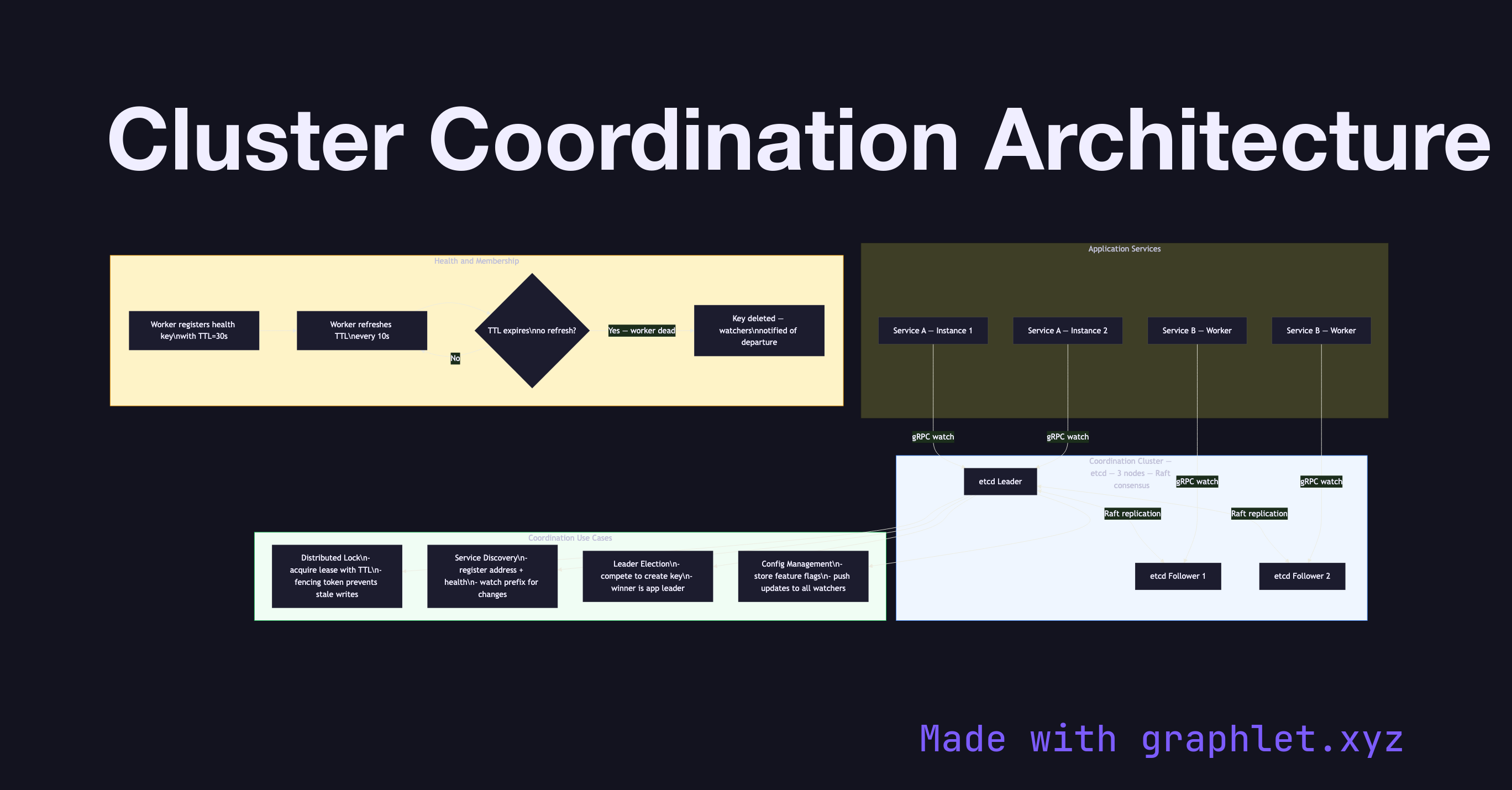
For large-scale data distribution, Distributed Hash Table and Chord Protocol show how keyspaces are partitioned and routed efficiently across node rings. Gossip Protocol demonstrates epidemic-style information propagation used for membership and failure detection. On the compute side, MapReduce Execution and Distributed Task Scheduling cover parallel job execution patterns. Data Replication Strategy and Cluster Coordination Architecture tie the operational concerns together. Every diagram is editable in Graphlet.
All diagrams 10 examples
Raft Consensus Algorithm flowchart diagram
Raft Consensus Algorithm
flowchart
Paxos Consensus Flow flowchart diagram
Paxos Consensus Flow
flowchart
Leader Election Algorithm sequence diagram
Leader Election Algorithm
sequence
Gossip Protocol flowchart diagram
Gossip Protocol
flowchart
Distributed Hash Table flowchart diagram
Distributed Hash Table
flowchart
Chord Protocol flowchart diagram
Chord Protocol
flowchart
Distributed Task Scheduling flowchart diagram
Distributed Task Scheduling
flowchart
MapReduce Execution flowchart diagram
MapReduce Execution
flowchart
Data Replication Strategy flowchart diagram
Data Replication Strategy
flowchart
Cluster Coordination Architecture flowchart diagram
Cluster Coordination Architecture
flowchart

Frequently asked questions

Distributed systems diagrams visualise the algorithms and architectures that coordinate nodes in a cluster — consensus protocols, routing rings, replication flows, and scheduling pipelines. They help engineers reason about correctness, failure modes, and system trade-offs before writing code.
Flowcharts work well for data-flow and algorithmic steps (Raft log replication, DHT routing), while sequence diagrams suit message-exchange protocols (leader election RPCs, Paxos phases). Most diagrams in this collection use flowcharts with sequence diagrams for the most interaction-heavy protocols.
Open any diagram in Graphlet, which provides a live Mermaid editor with instant preview. You can modify node labels, add new paths, change layout direction, and export the result as SVG or PNG without installing anything locally.
The CAP theorem states that a distributed system can guarantee at most two of Consistency, Availability, and Partition tolerance simultaneously. Each diagram in this collection reflects a specific CAP trade-off: Raft and Paxos prioritise CP, while DHT systems like Cassandra with tunable quorums can operate as AP systems.
Free online editor
Edit any diagram in Graphlet
Open, fork, and export to SVG or PNG. No sign-up required.
Open Graphlet →