Backend systems are built from interlocking patterns that are hard to reason about without a visual aid. This collection of 20 free Mermaid diagrams covers the full spectrum of server-side architecture — from the moment an HTTP request hits your REST API Request Lifecycle to the asynchronous world of Worker Queue Processing and Webhook Delivery Flow.

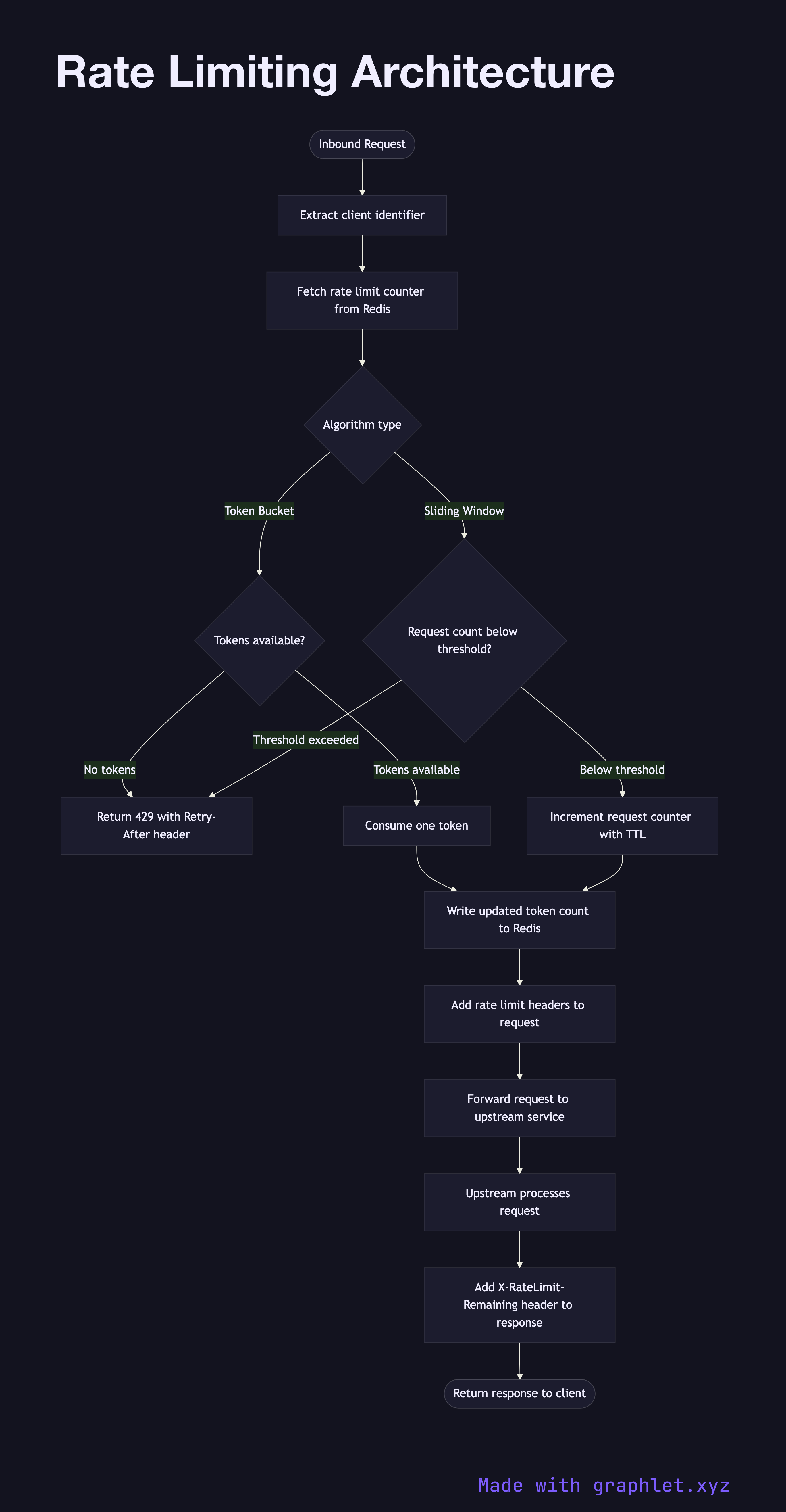
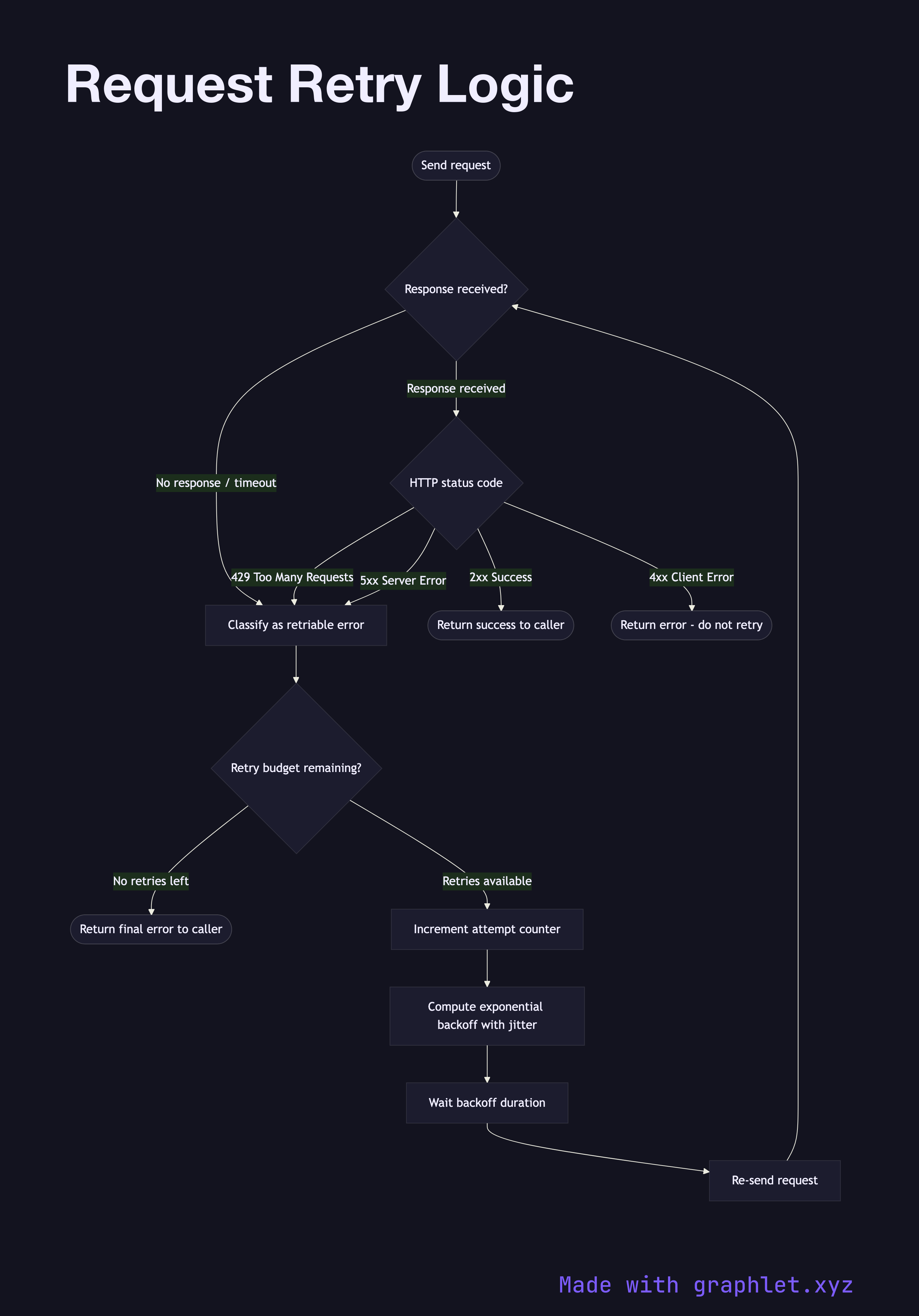
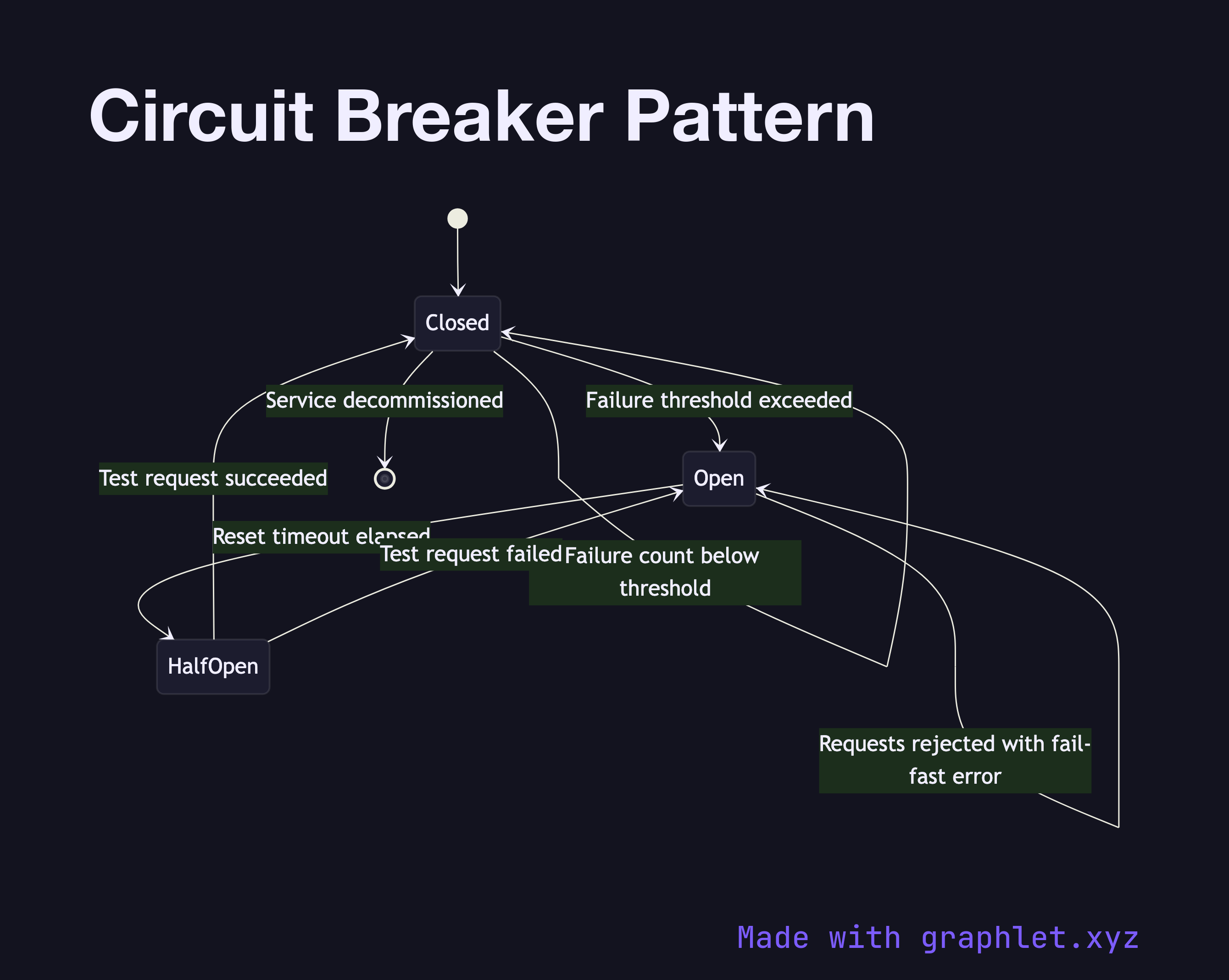
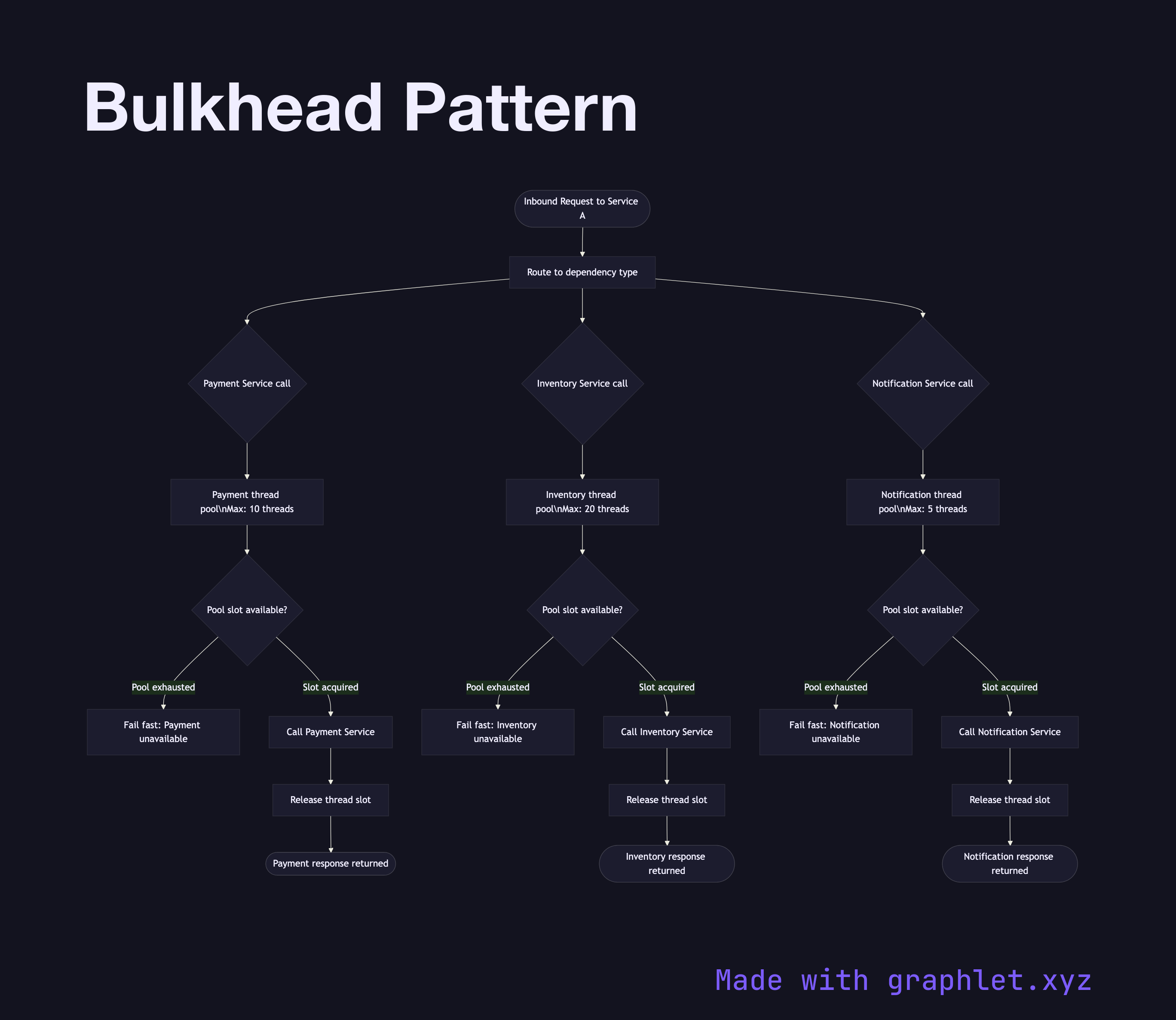
Resilience patterns are well represented: see how the Circuit Breaker Pattern transitions between Closed, Open, and Half-Open states, or how the Bulkhead Pattern isolates failure domains. For traffic control, explore Rate Limiting Architecture and Request Retry Logic.

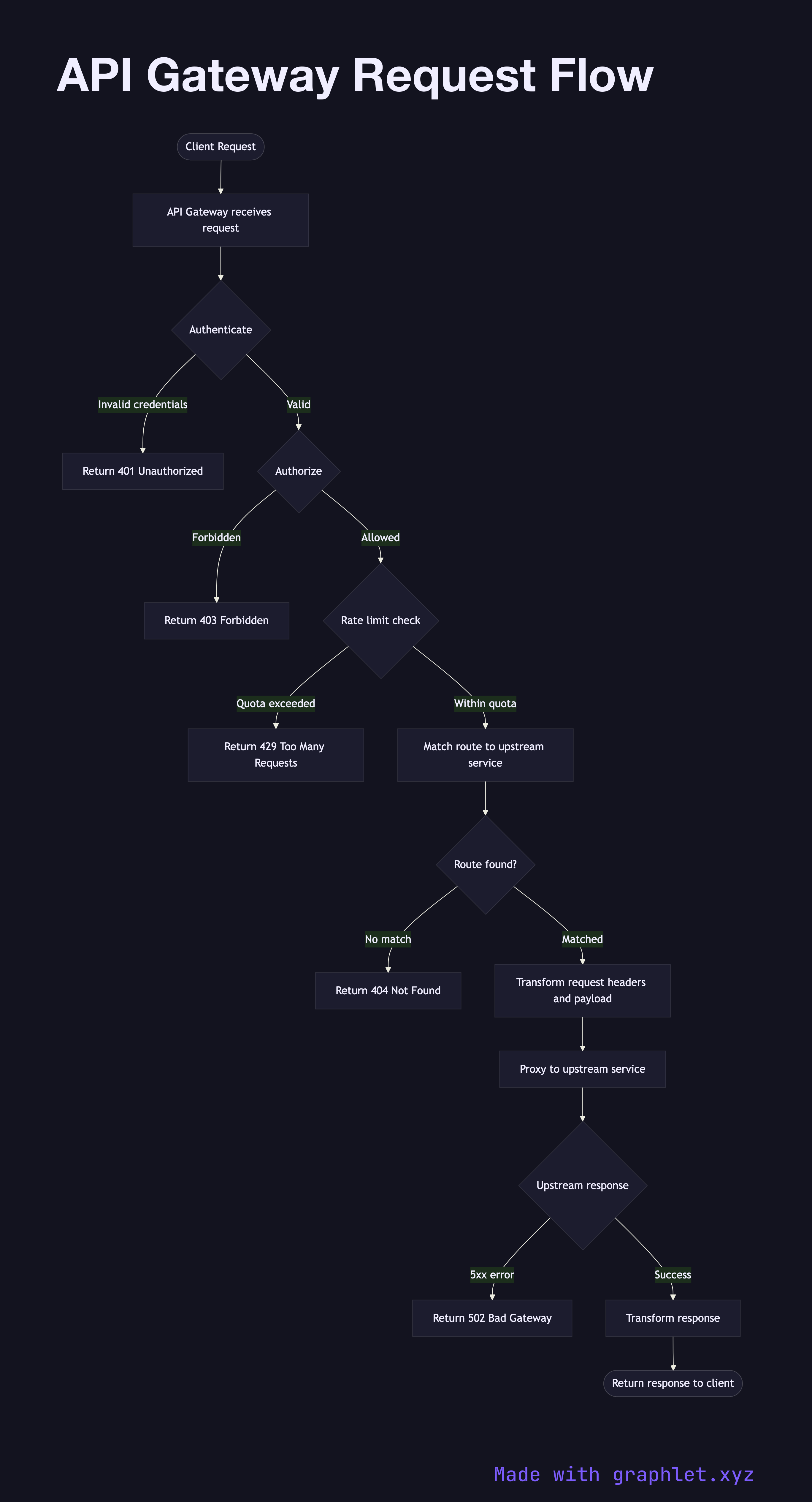
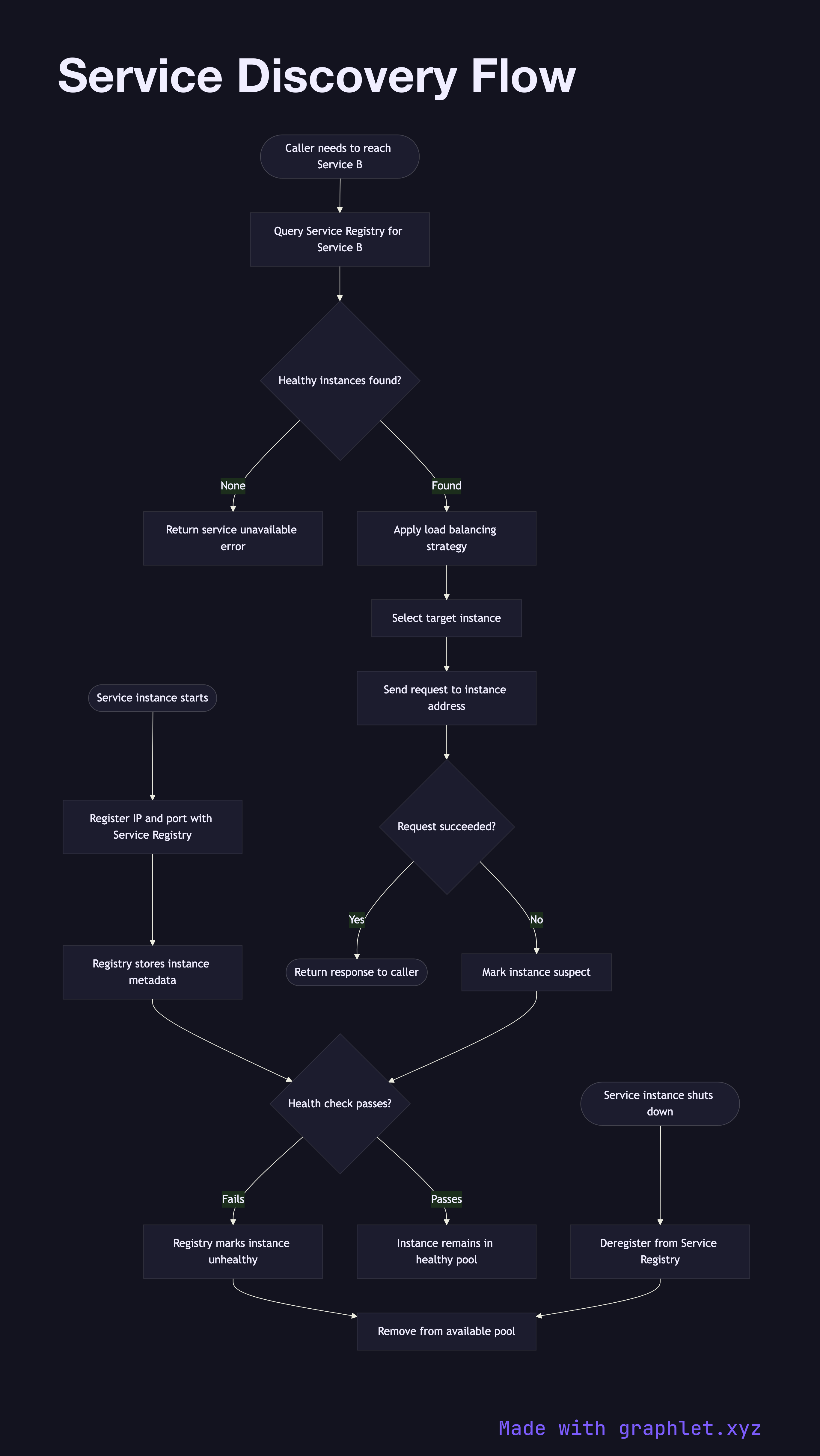
Modern API topologies are covered too — the API Gateway Request Flow and Backend for Frontend Pattern diagrams show how to decouple clients from services, while Service Discovery Flow explains dynamic routing in a microservices mesh.

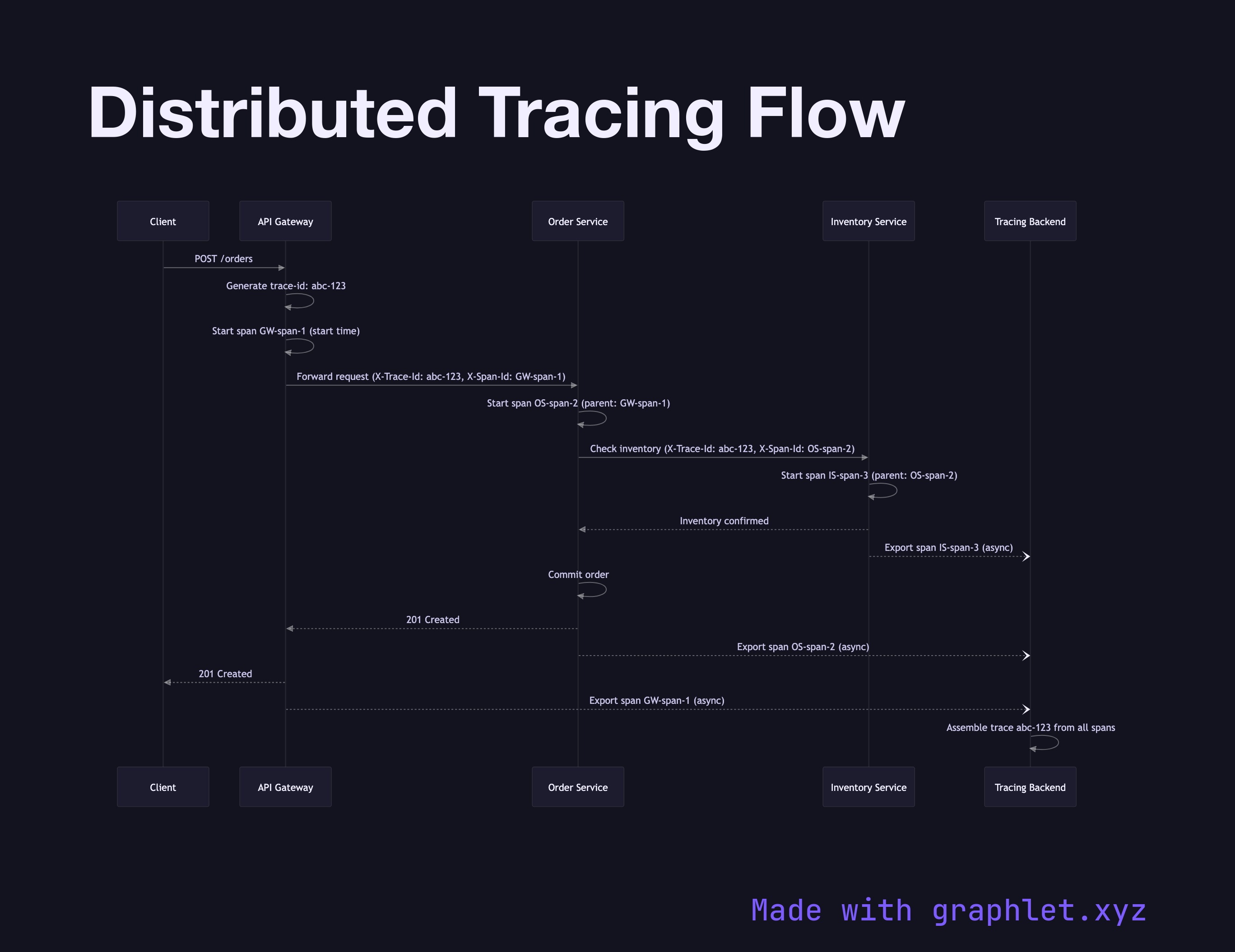
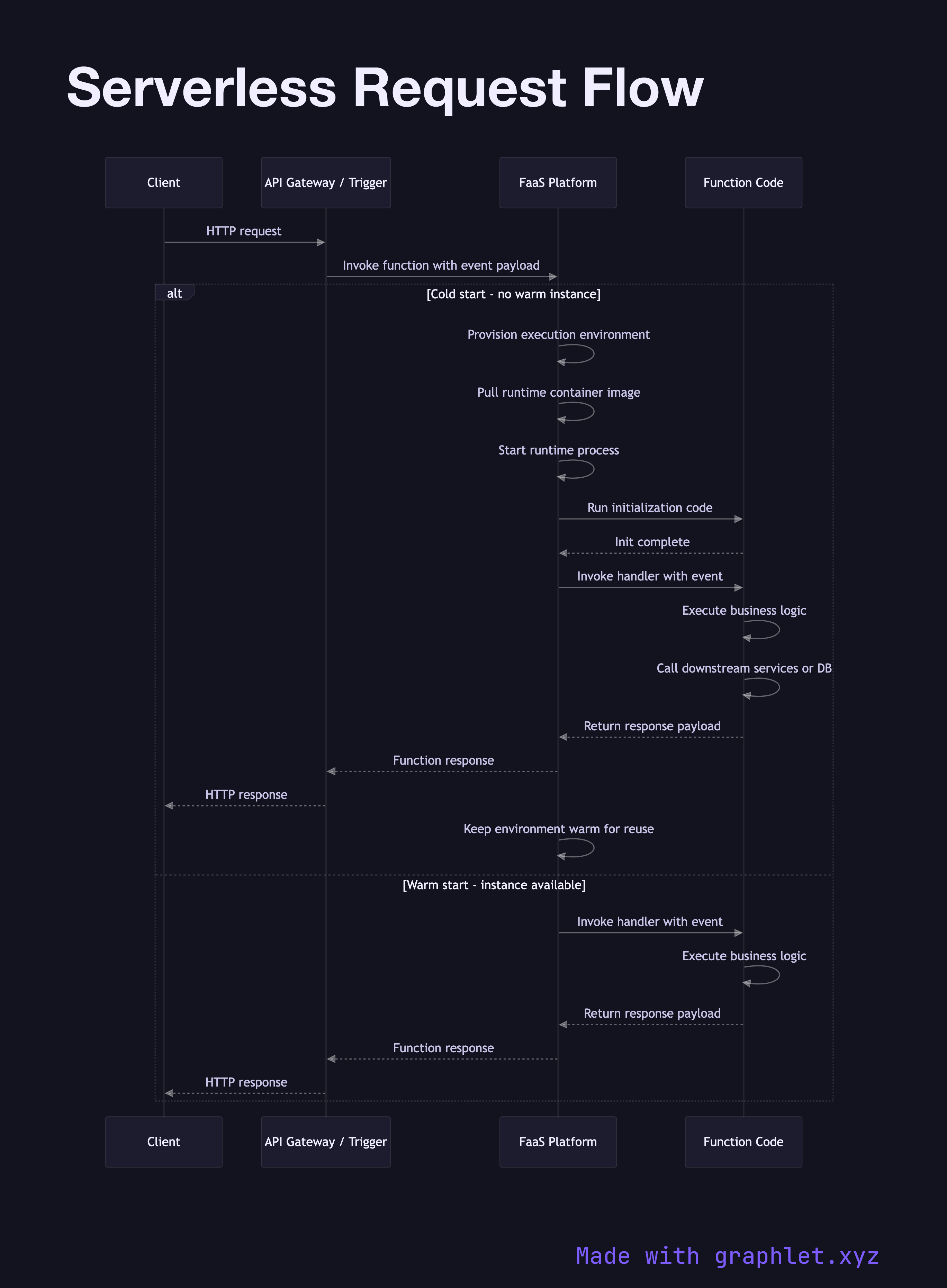
Serverless and edge computing have their own dedicated diagrams: Serverless Request Flow and Edge Function Execution. Rounding out the category are async patterns like Background Job Processing, Cron Job Scheduler, Distributed Tracing Flow, and Long Polling Request Flow. Every diagram opens directly in Graphlet for live editing and export.

All diagrams 20 examples
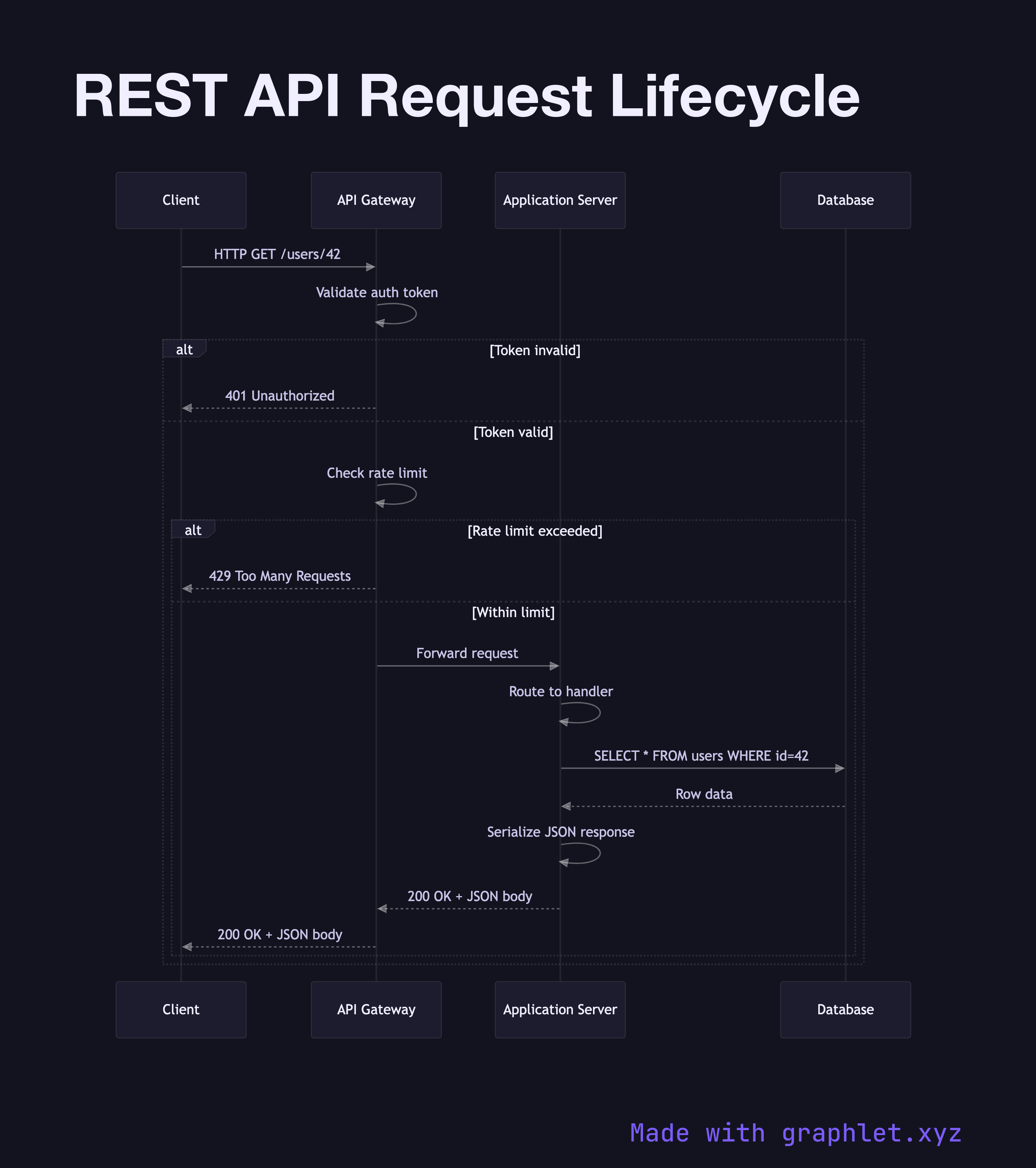
REST API Request Lifecycle sequence diagram
REST API Request Lifecycle
sequence
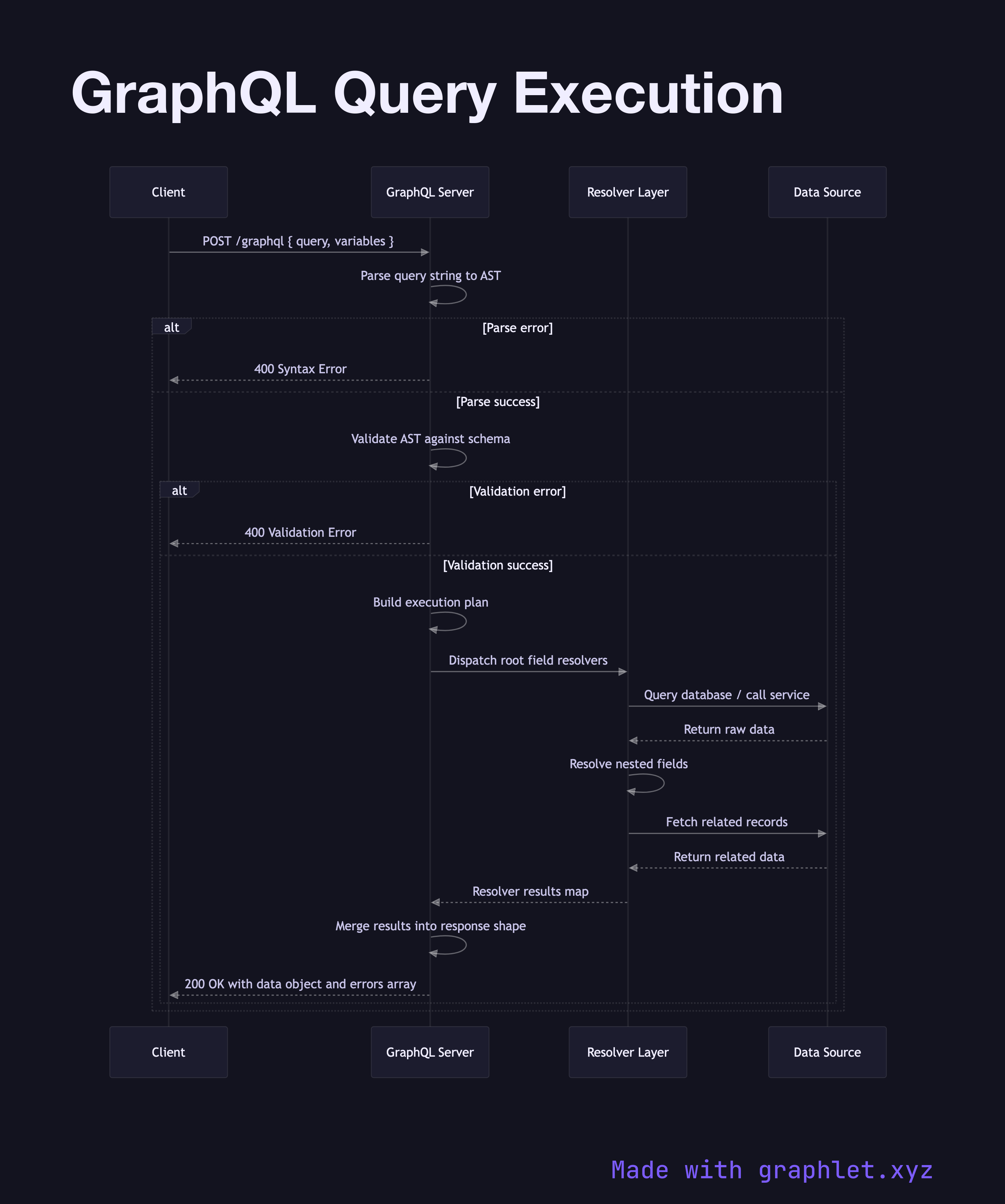
GraphQL Query Execution sequence diagram
GraphQL Query Execution
sequence
API Gateway Request Flow flowchart diagram
API Gateway Request Flow
flowchart
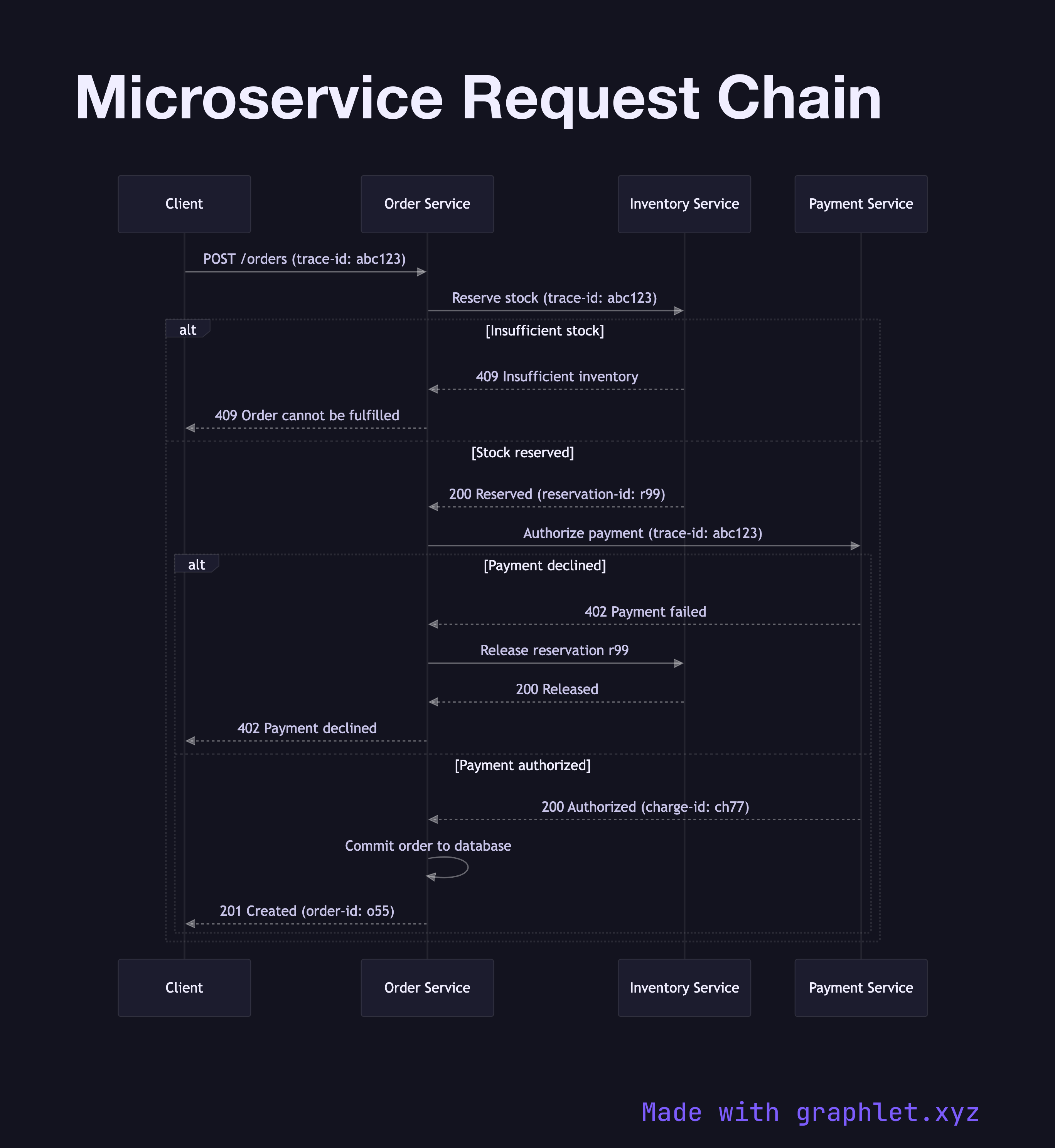
Microservice Request Chain sequence diagram
Microservice Request Chain
sequence
Service Discovery Flow flowchart diagram
Service Discovery Flow
flowchart
Backend for Frontend Pattern flowchart diagram
Backend for Frontend Pattern
flowchart
Rate Limiting Architecture flowchart diagram
Rate Limiting Architecture
flowchart
Request Retry Logic flowchart diagram
Request Retry Logic
flowchart
Circuit Breaker Pattern state diagram
Circuit Breaker Pattern
state
Bulkhead Pattern flowchart diagram
Bulkhead Pattern
flowchart
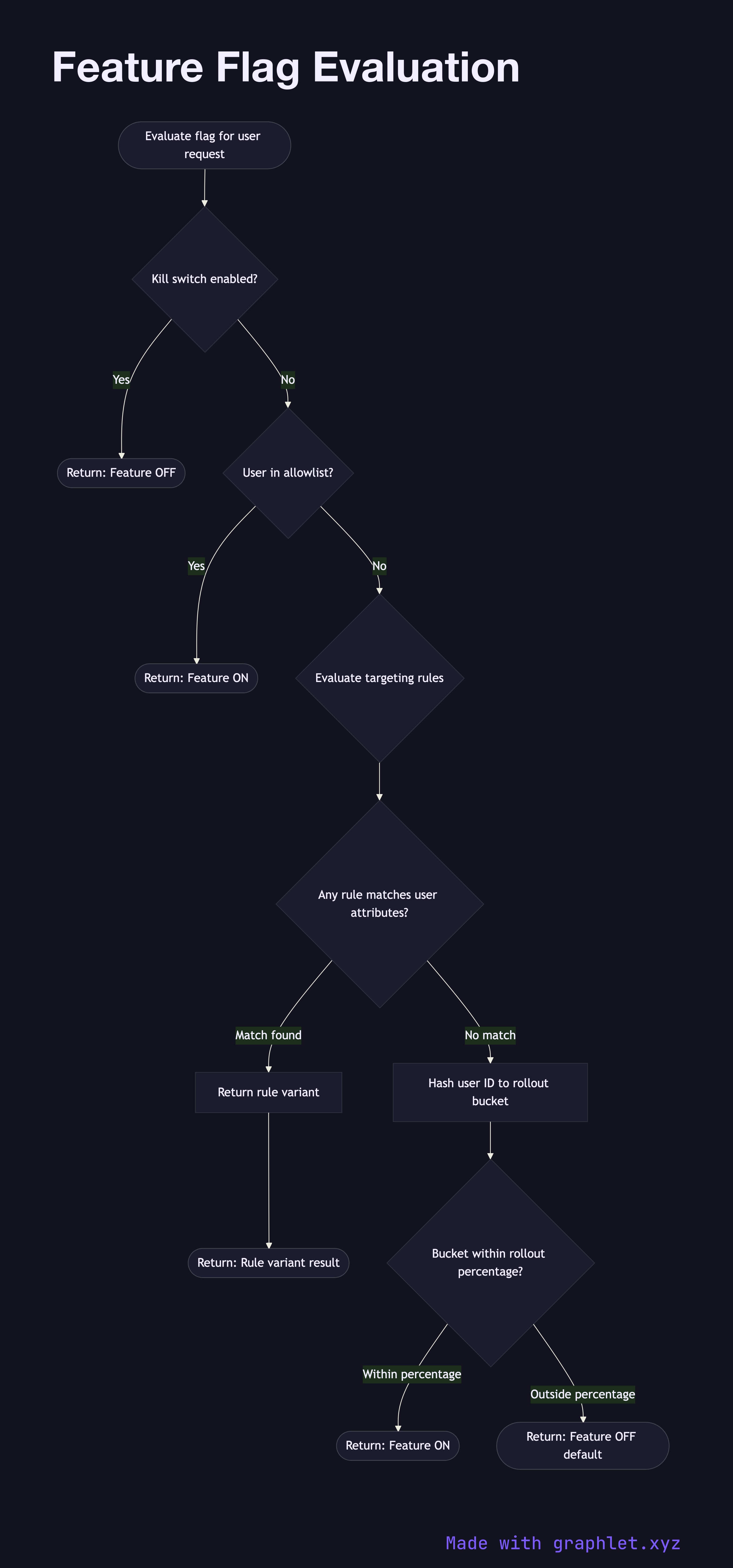
Feature Flag Evaluation flowchart diagram
Feature Flag Evaluation
flowchart
Distributed Tracing Flow sequence diagram
Distributed Tracing Flow
sequence
Serverless Request Flow sequence diagram
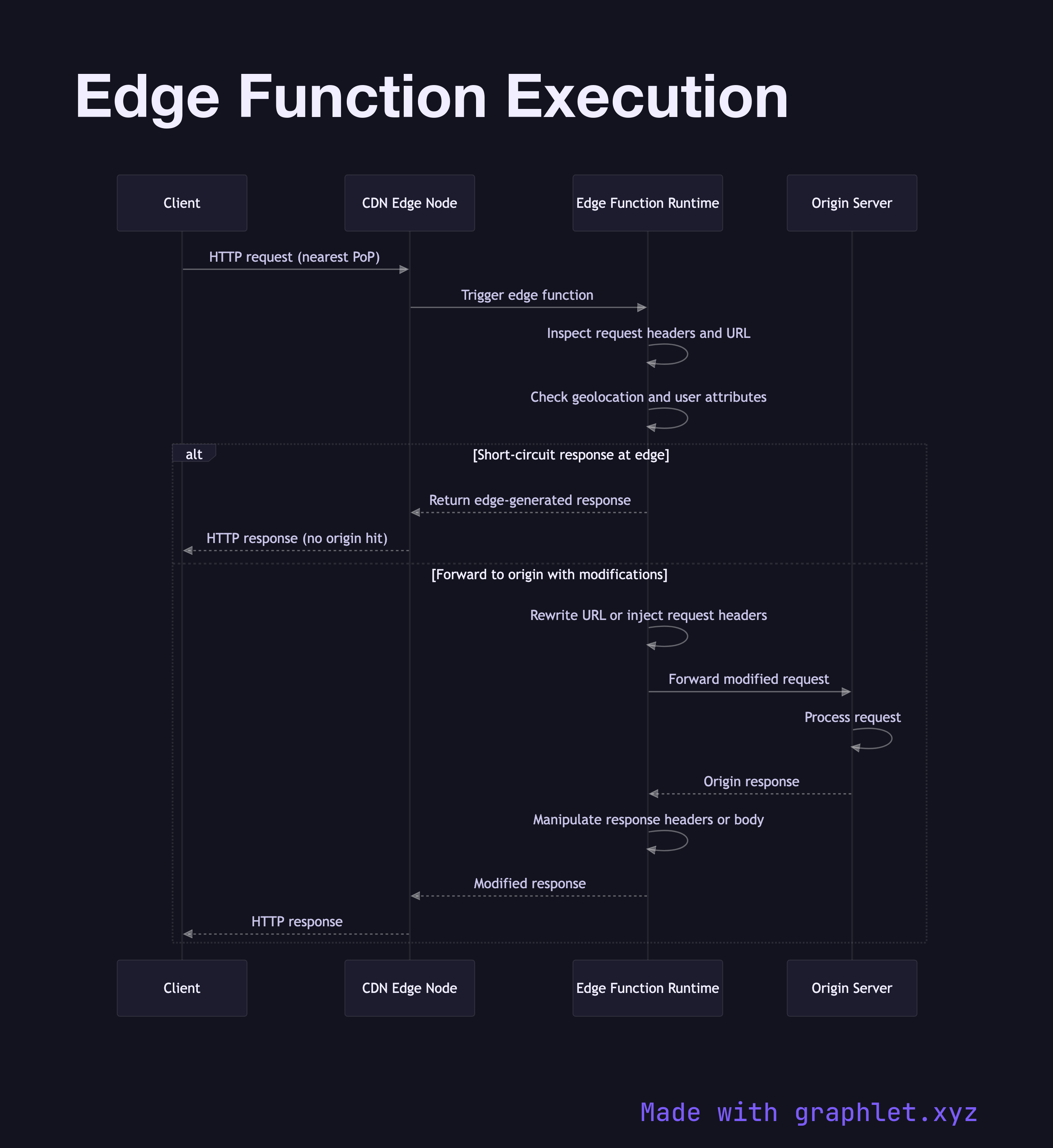
Serverless Request Flow
sequence
Edge Function Execution sequence diagram
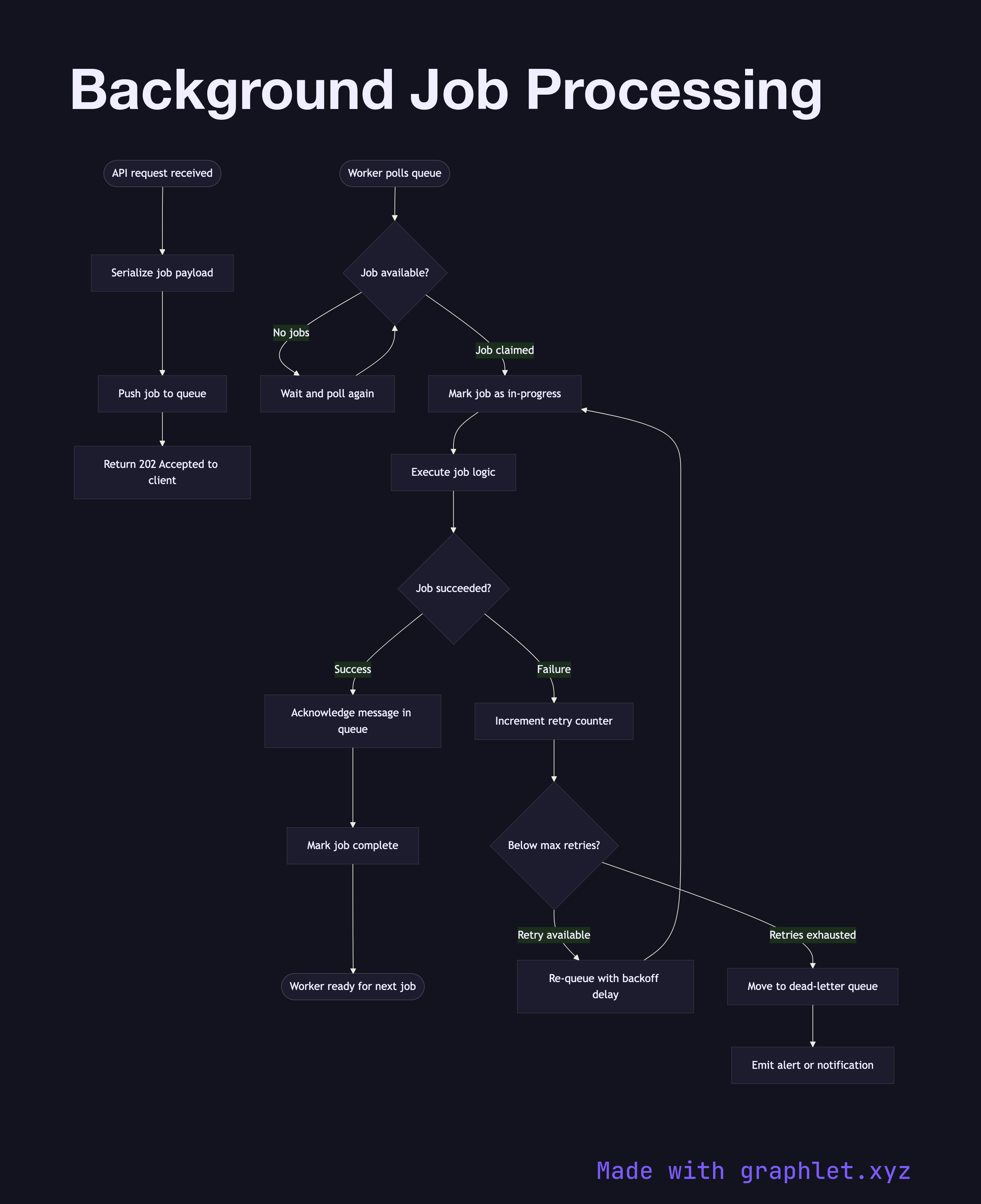
Edge Function Execution
sequence
Background Job Processing flowchart diagram
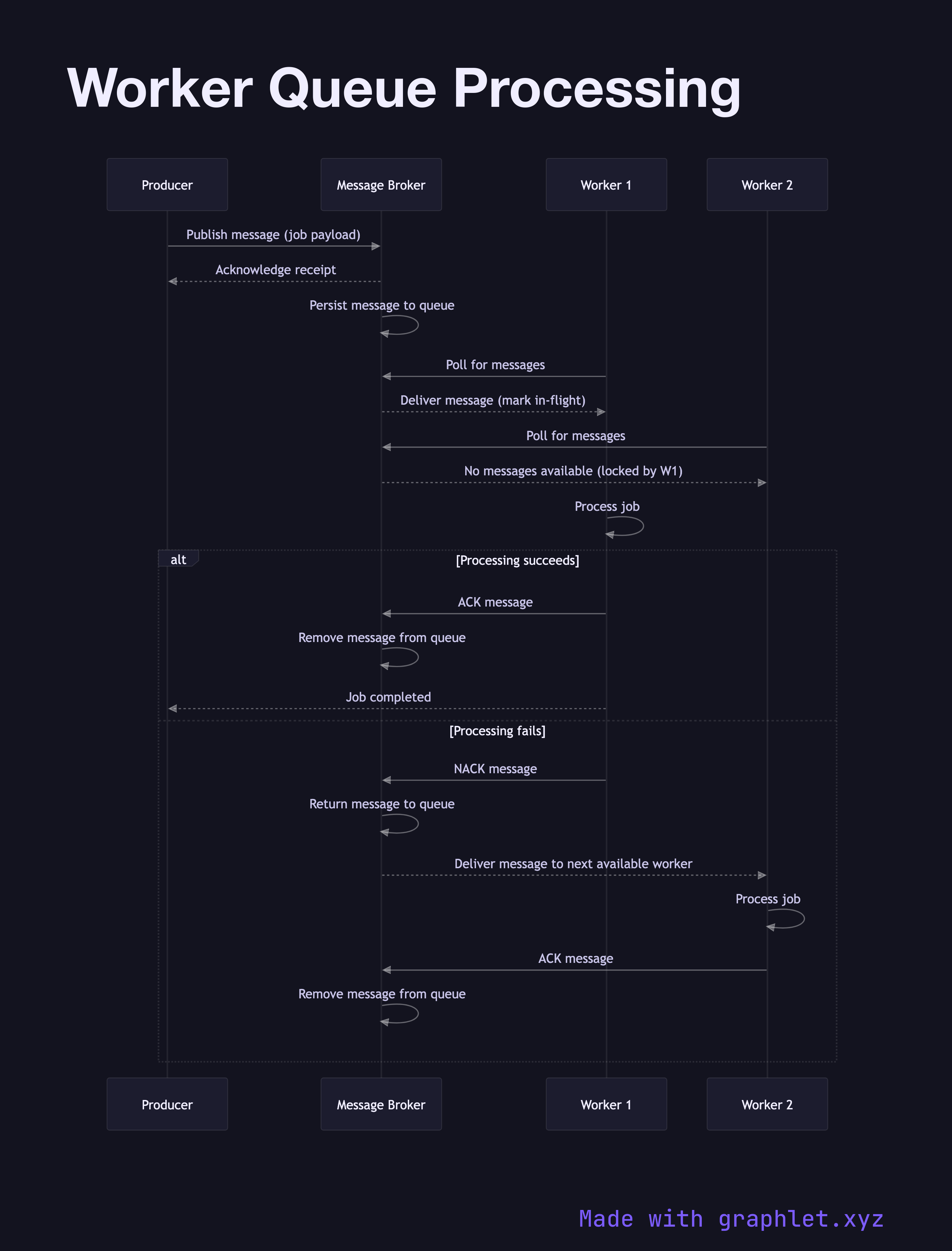
Background Job Processing
flowchart
Worker Queue Processing sequence diagram
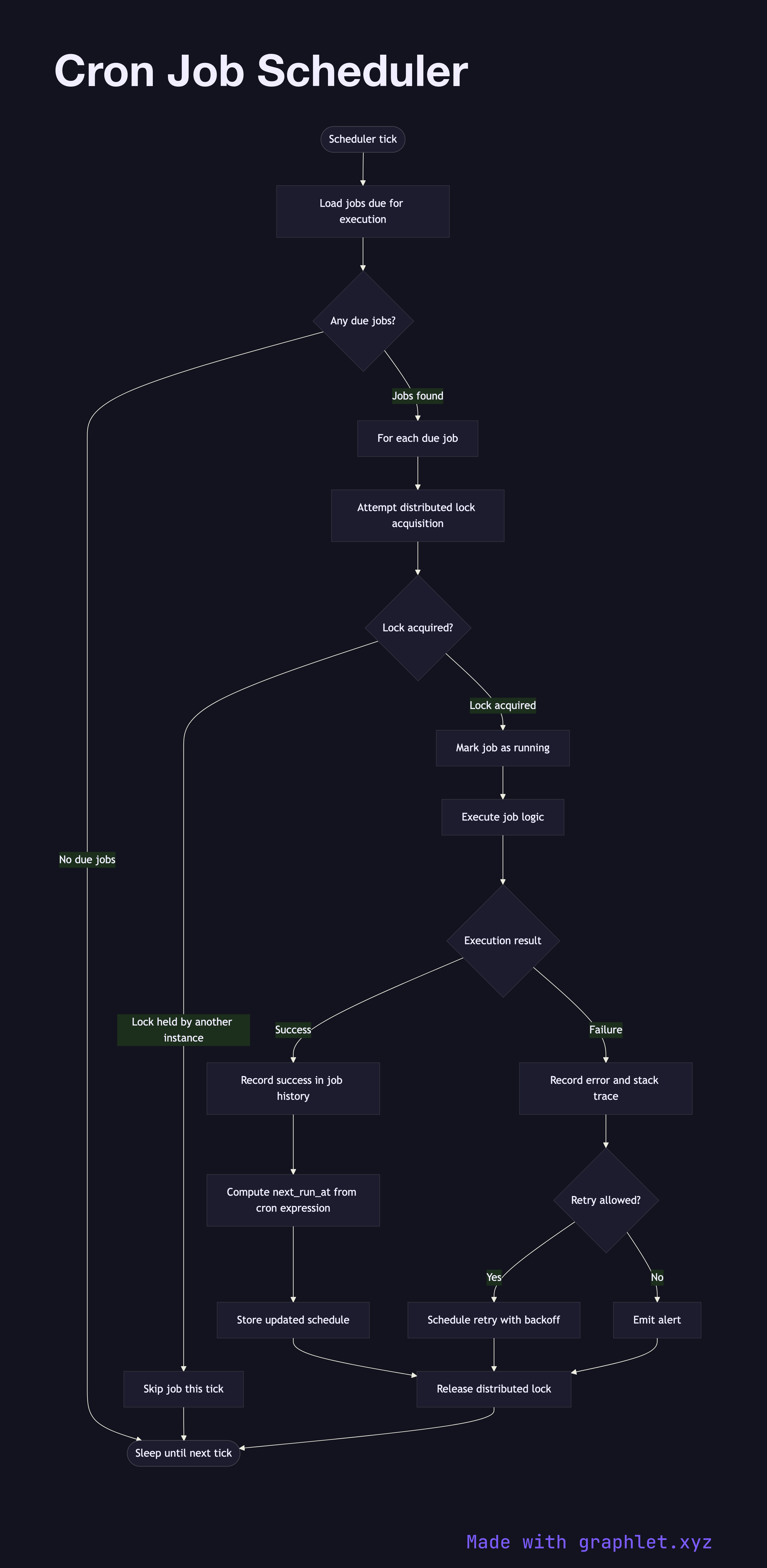
Worker Queue Processing
sequence
Cron Job Scheduler flowchart diagram
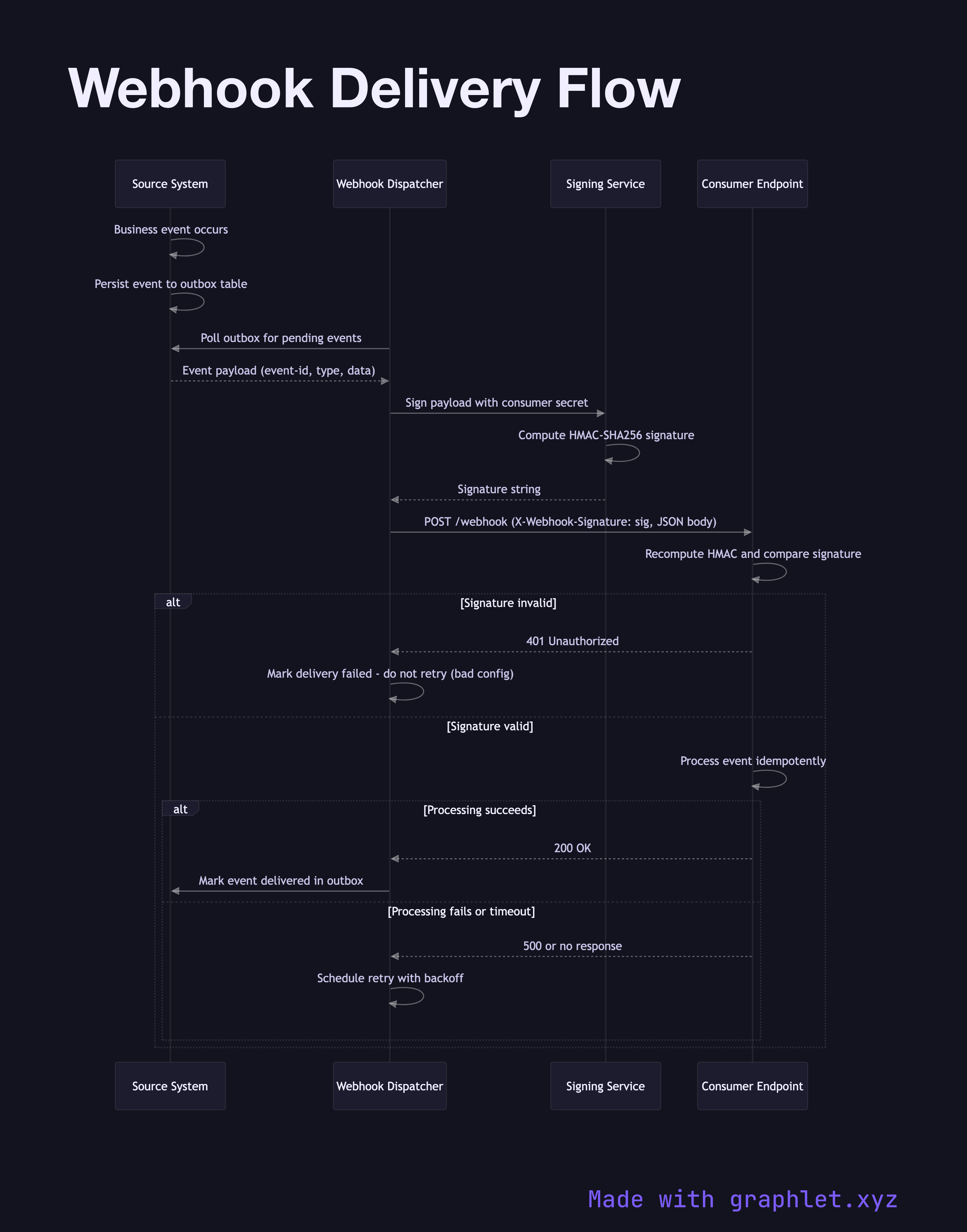
Cron Job Scheduler
flowchart
Webhook Delivery Flow sequence diagram
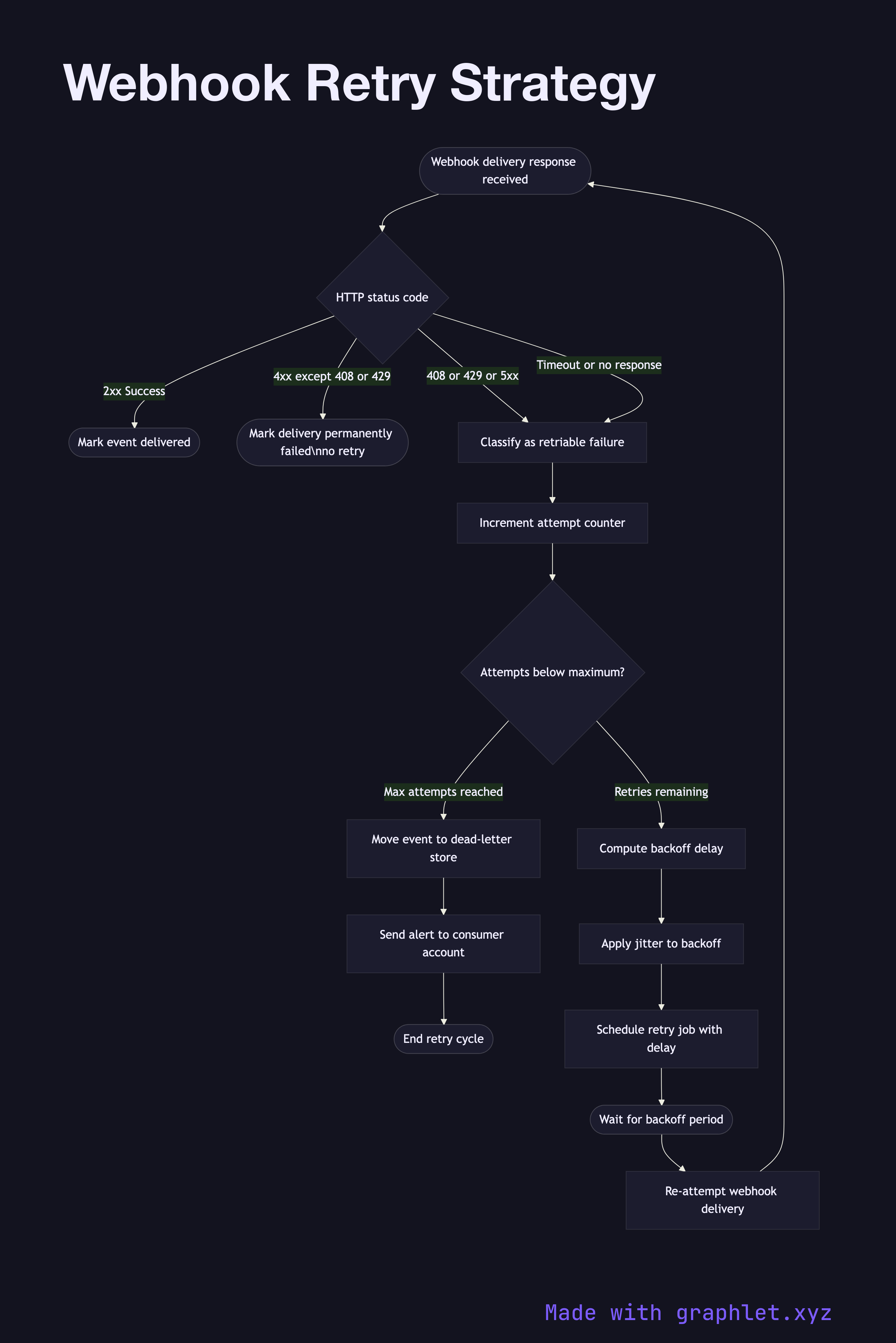
Webhook Delivery Flow
sequence
Webhook Retry Strategy flowchart diagram
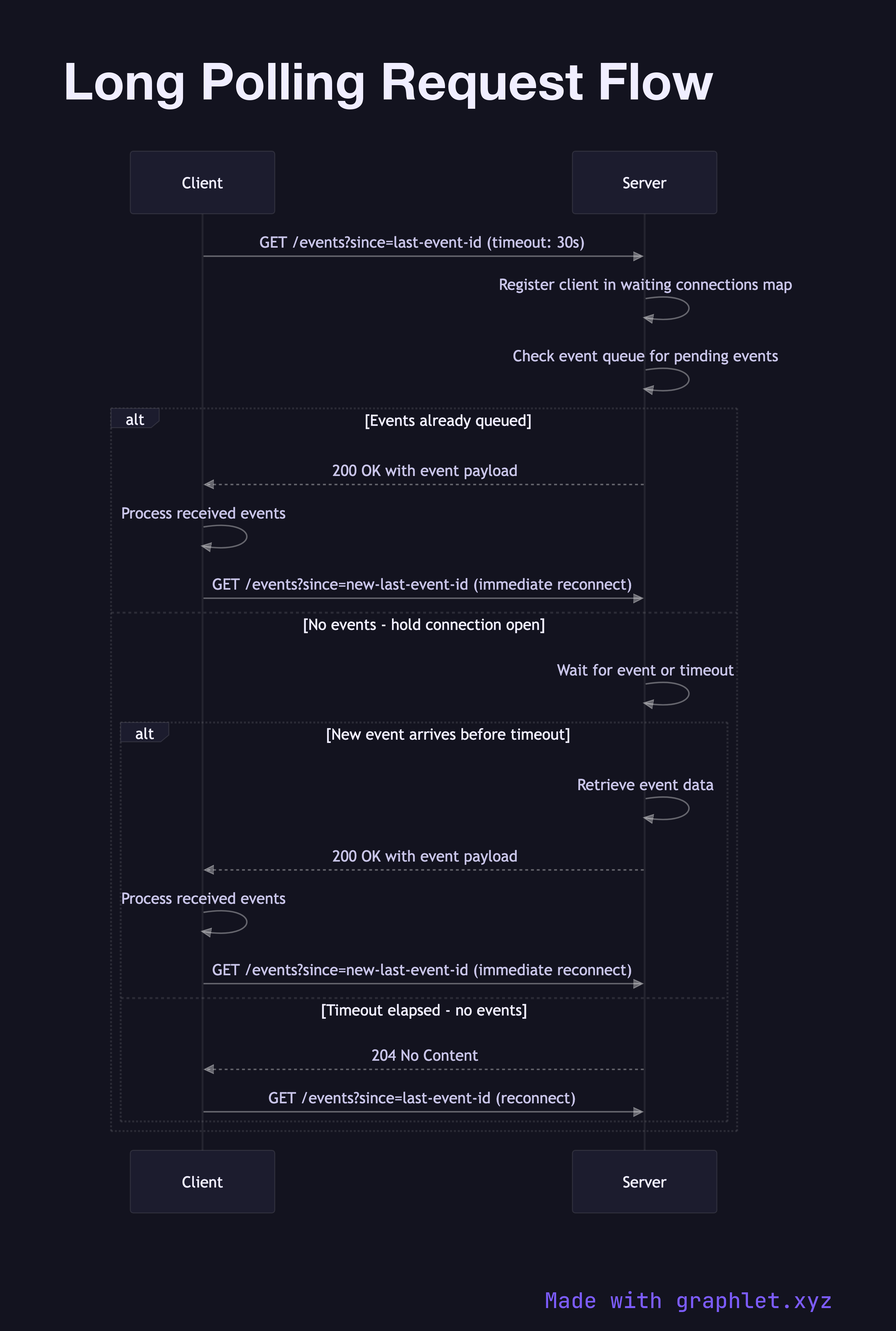
Webhook Retry Strategy
flowchart
Long Polling Request Flow sequence diagram
Long Polling Request Flow
sequence

Frequently asked questions

The collection covers 20 distinct backend patterns grouped into four areas: API and gateway flows (REST lifecycle, GraphQL execution, API gateway, BFF), resilience patterns (circuit breaker, bulkhead, rate limiting, retry logic), async and scheduling patterns (background jobs, worker queues, cron scheduler, webhooks), and observability and deployment patterns (distributed tracing, serverless, edge functions, service discovery, feature flags, long polling).
Graphlet renders backend diagrams as either Mermaid flowcharts or Mermaid sequence diagrams depending on the concept. State-based patterns like the circuit breaker use state diagrams. All formats are editable in Graphlet's live editor and can be exported as SVG or PNG.
A flowchart is best for decision trees and state transitions — for example, the retry logic decision tree or the rate limiting algorithm check. A sequence diagram is better for time-ordered interactions between multiple participants — for example, a REST API request flowing through a gateway, application server, and database. Use the diagram type that matches whether you are modeling logic flow or communication sequence.
The Microservice Request Chain, API Gateway Request Flow, Service Discovery Flow, Circuit Breaker Pattern, Bulkhead Pattern, and Distributed Tracing Flow together cover the core structural and resilience concerns of a microservices system. Starting with the request chain and adding circuit breakers and bulkheads gives a solid foundation for production-grade microservice design.
Yes. Each diagram is free to edit and export from Graphlet. Exported SVGs can be embedded in Confluence, Notion, GitHub wikis, or any documentation tool that supports images. The Mermaid source is also accessible for teams that prefer to version-control diagrams as code.
Free online editor
Edit any diagram in Graphlet
Open, fork, and export to SVG or PNG. No sign-up required.
Open Graphlet →