Authentication and authorization are the gatekeepers of every modern application. Whether you're implementing a simple username/password flow or a complex federated identity system spanning multiple services, understanding the underlying protocols prevents security vulnerabilities and reduces integration friction.

This collection covers the full spectrum of auth patterns developers encounter. The delegation-focused flows begin with OAuth2 Authorization Code Flow — the standard for user-facing apps — and OAuth2 Client Credentials Flow for machine-to-machine communication. OpenID Connect Flow layers identity on top of OAuth2, while SAML Authentication Flow covers the enterprise SSO standard still prevalent in large organizations.

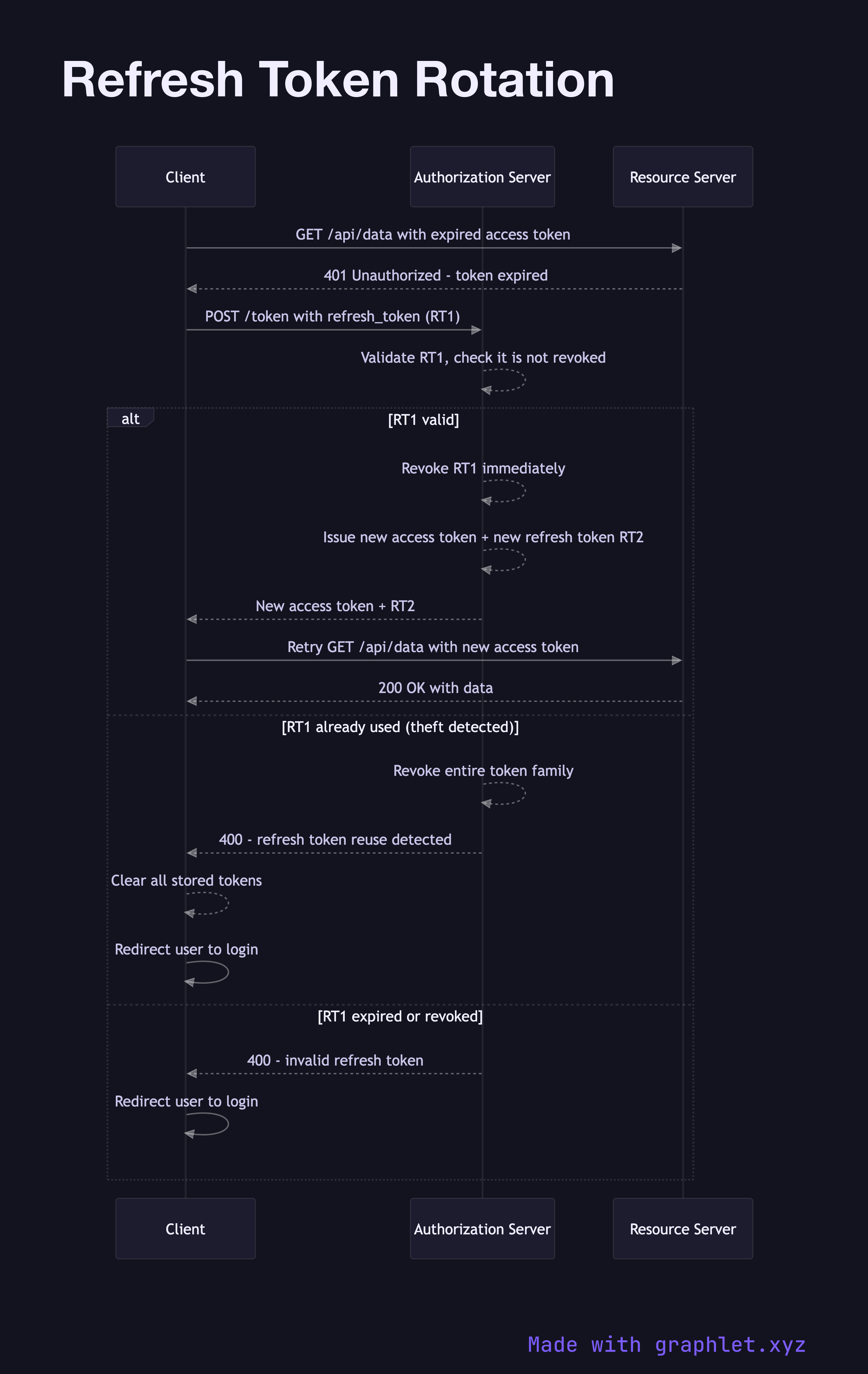
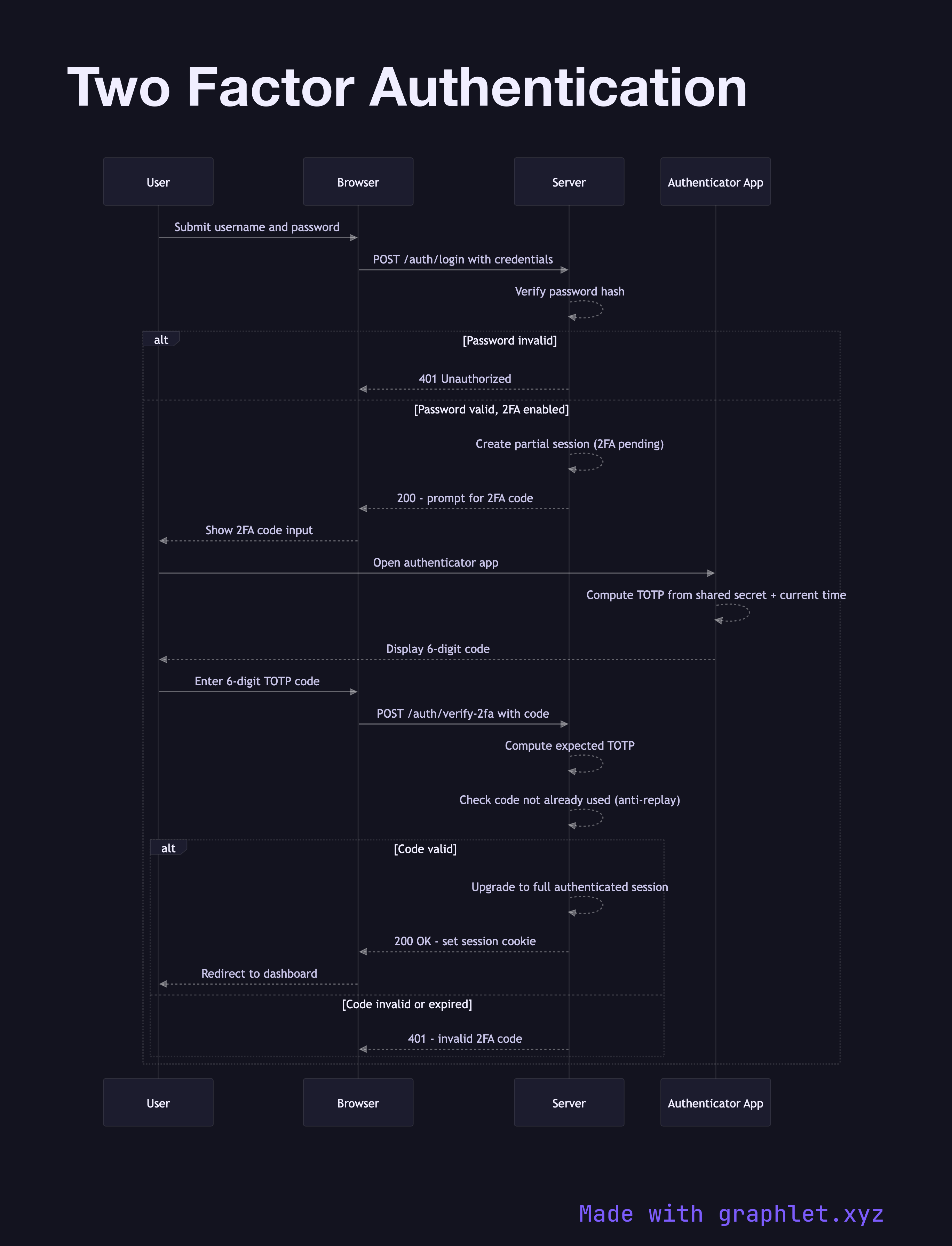
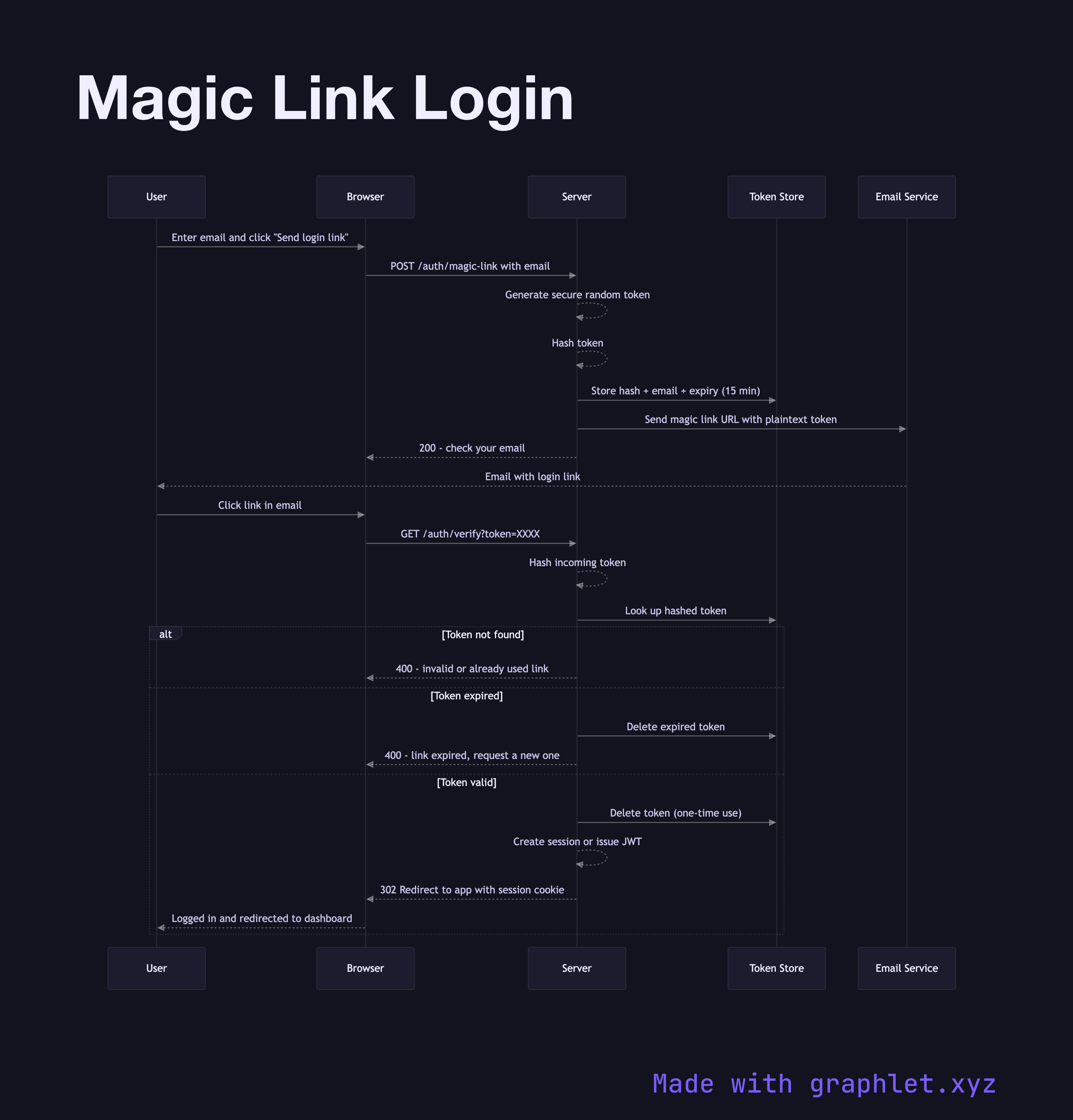
Token mechanics are examined in depth: JWT Authentication Flow shows how stateless tokens are issued and verified, and Refresh Token Rotation explains the security strategy for long-lived sessions. Access control models including RBAC Authorization Model and ABAC Authorization Model show how permissions are structured and evaluated. Usability-focused patterns like Magic Link Login, Two Factor Authentication, and Device Login Flow round out the collection. Every diagram is free to edit and export directly in Graphlet.

All diagrams 20 examples
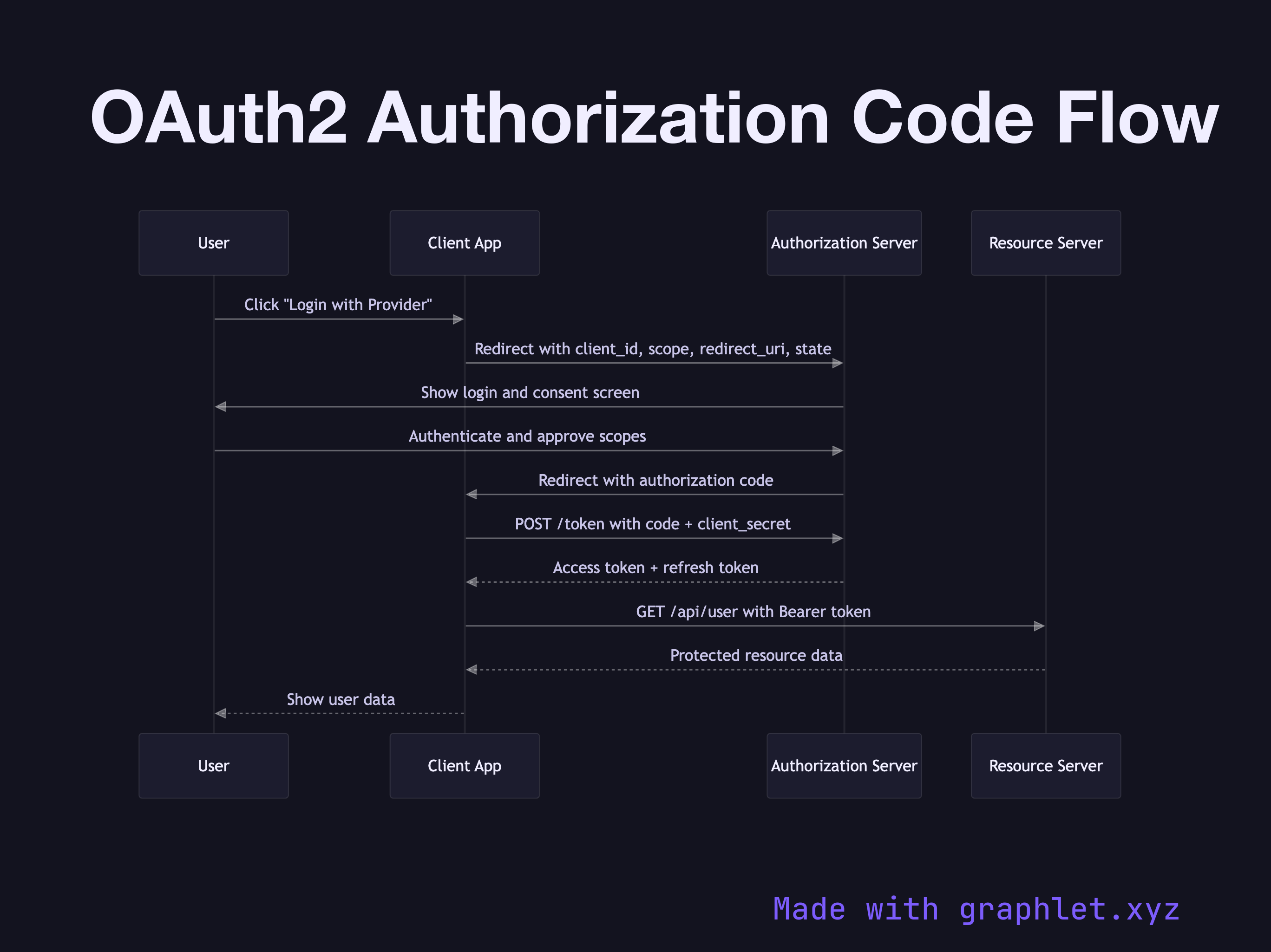
OAuth2 Authorization Code Flow sequence diagram
OAuth2 Authorization Code Flow
sequence
OAuth2 Client Credentials Flow sequence diagram
OAuth2 Client Credentials Flow
sequence
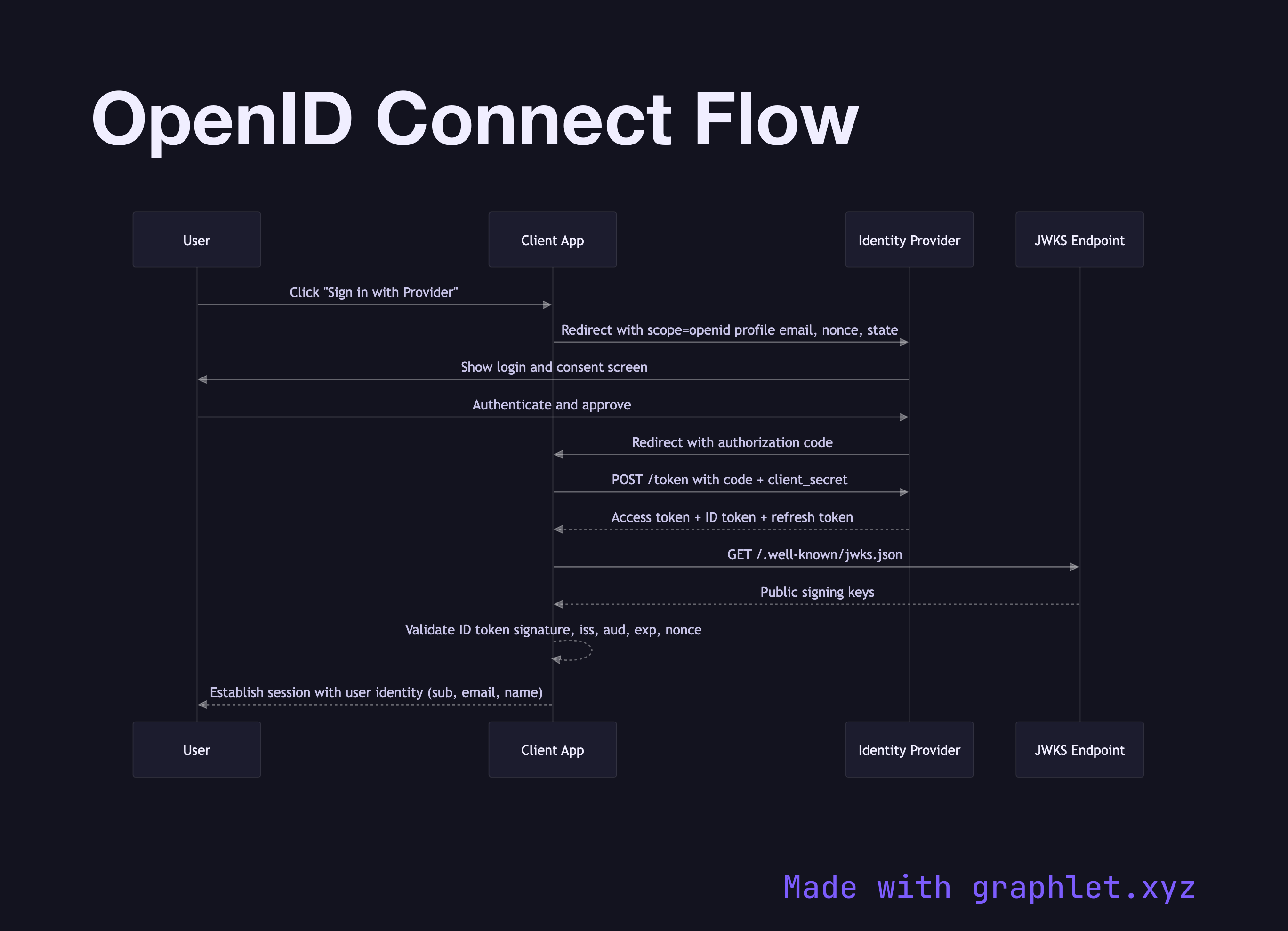
OpenID Connect Flow sequence diagram
OpenID Connect Flow
sequence
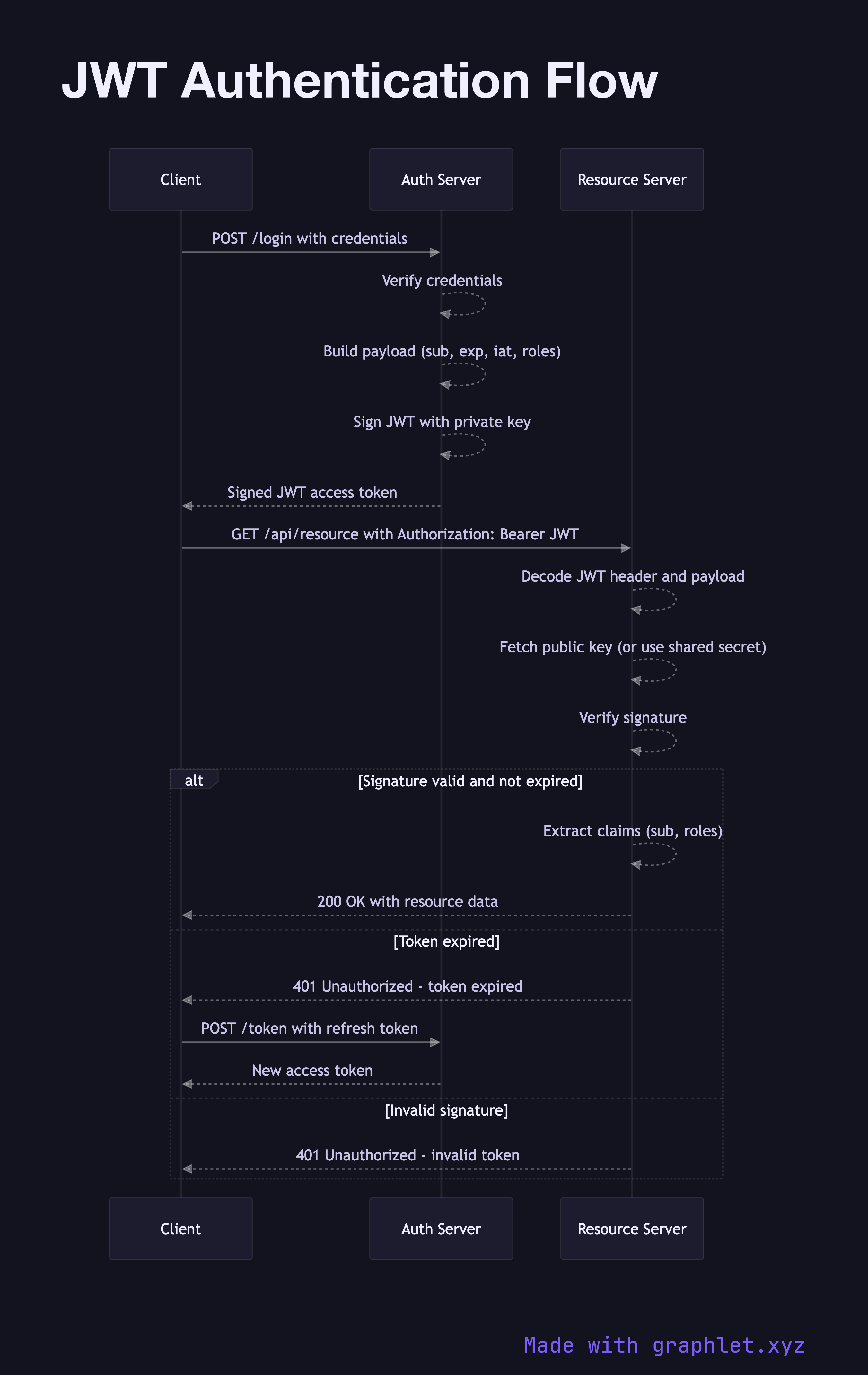
JWT Authentication Flow sequence diagram
JWT Authentication Flow
sequence
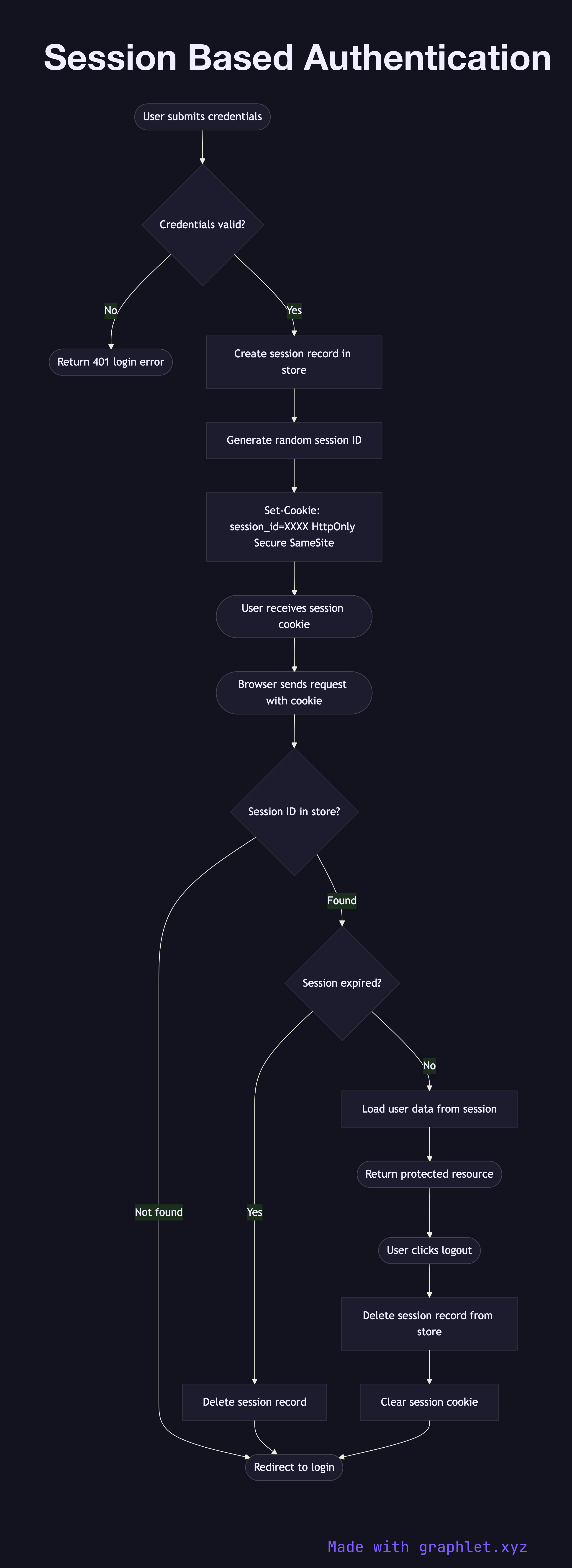
Session Based Authentication flowchart diagram
Session Based Authentication
flowchart
Refresh Token Rotation sequence diagram
Refresh Token Rotation
sequence
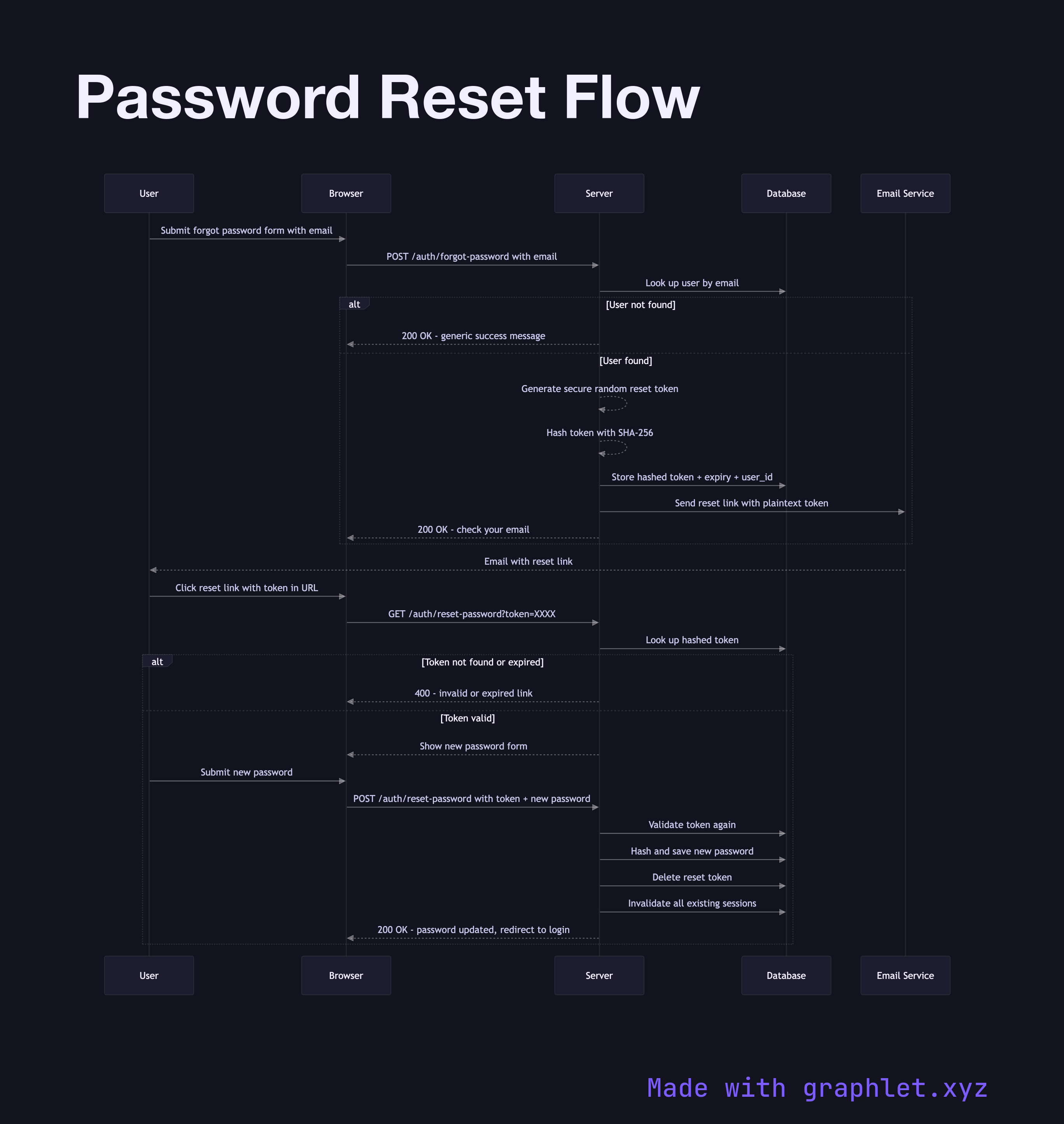
Password Reset Flow sequence diagram
Password Reset Flow
sequence
Two Factor Authentication sequence diagram
Two Factor Authentication
sequence
Magic Link Login sequence diagram
Magic Link Login
sequence
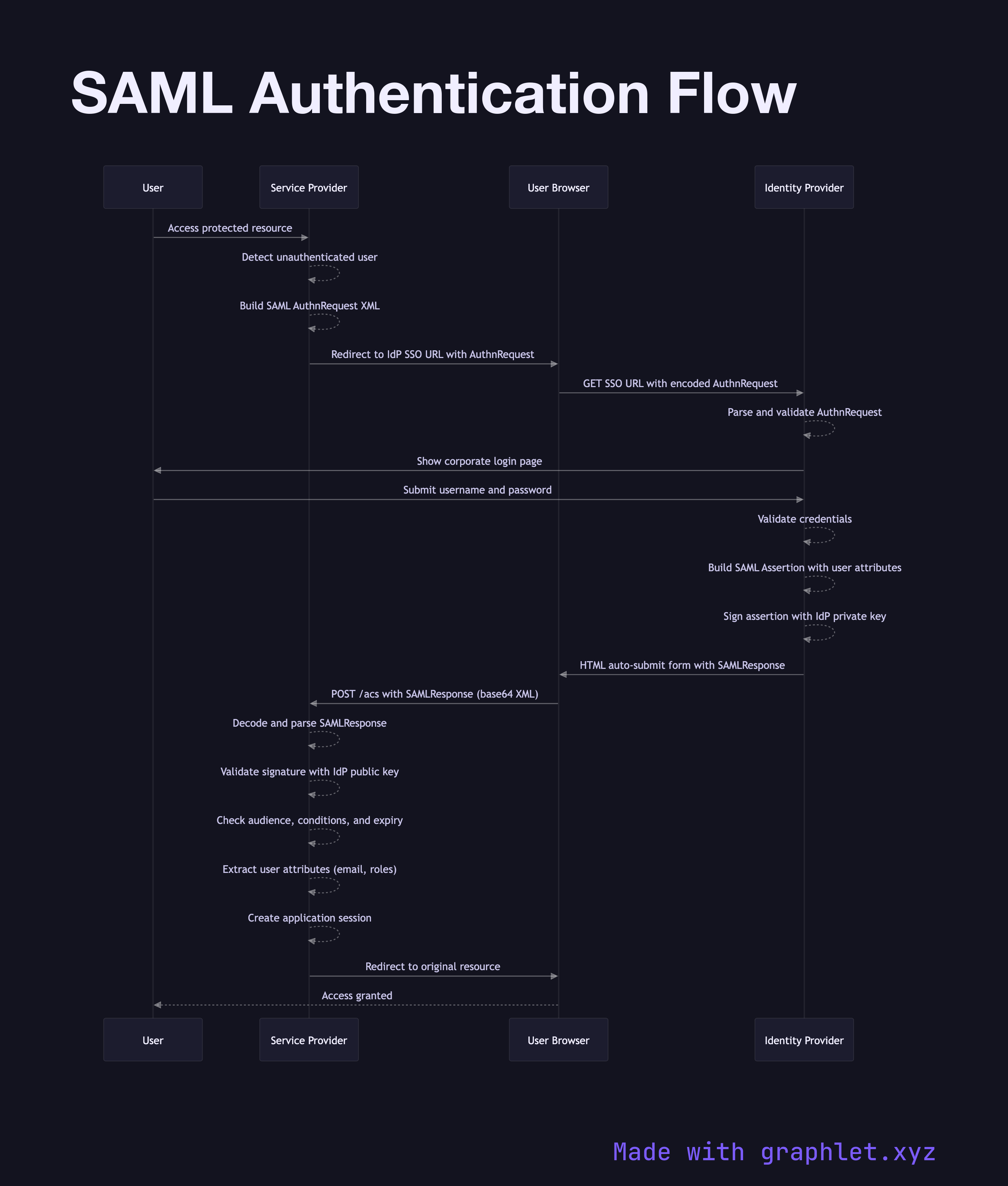
SAML Authentication Flow sequence diagram
SAML Authentication Flow
sequence
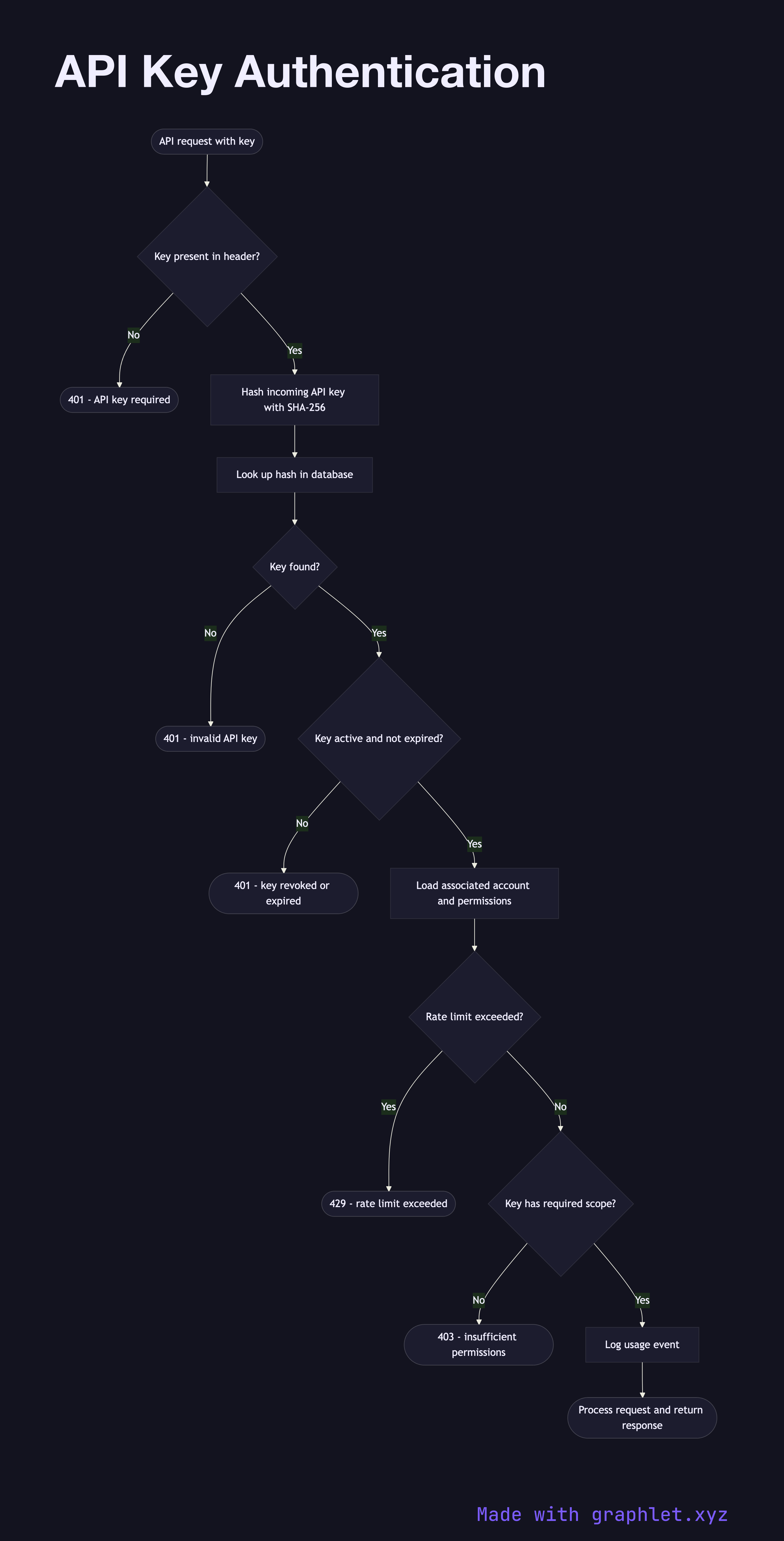
API Key Authentication flowchart diagram
API Key Authentication
flowchart
RBAC Authorization Model flowchart diagram
RBAC Authorization Model
flowchart
ABAC Authorization Model flowchart diagram
ABAC Authorization Model
flowchart
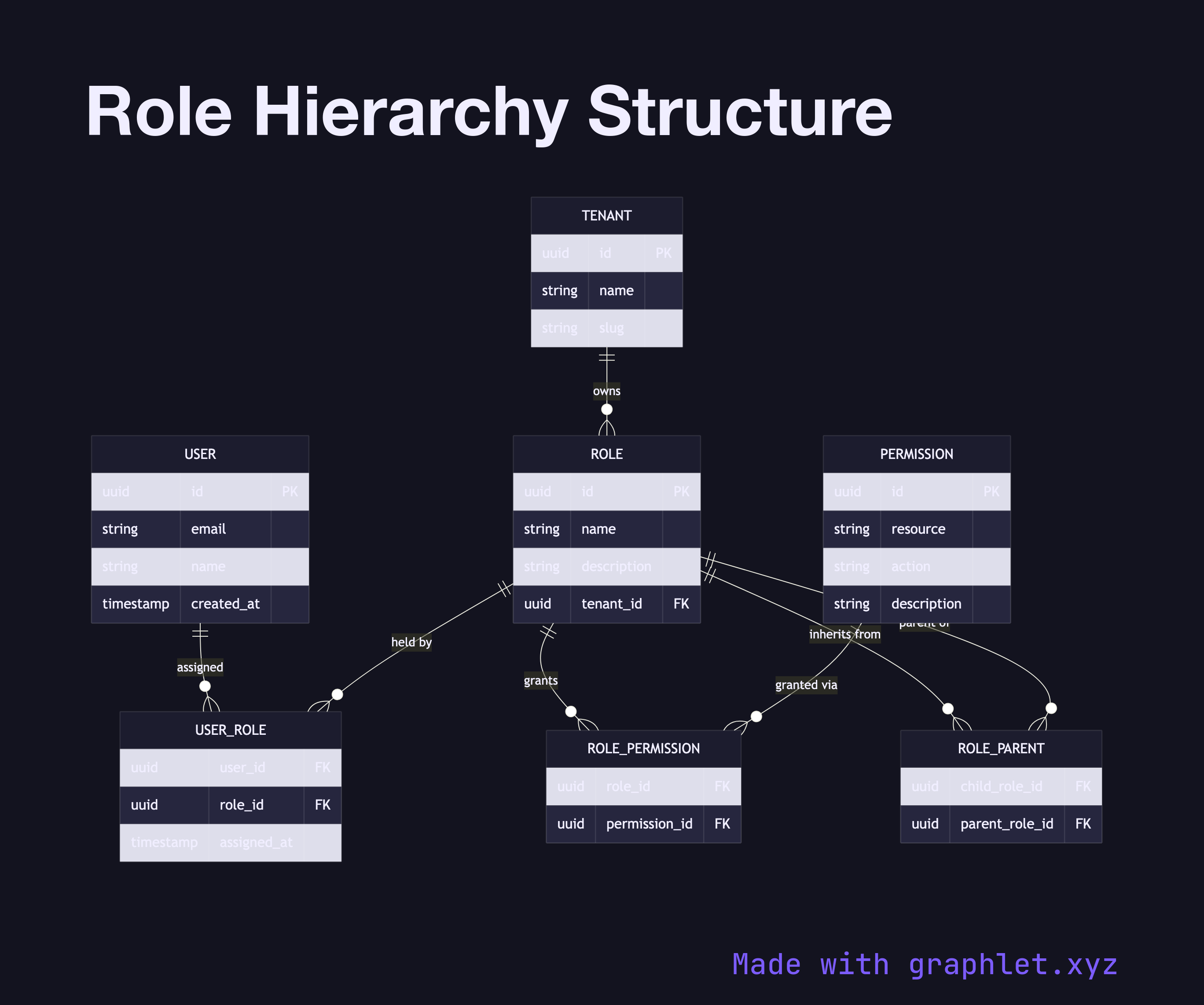
Role Hierarchy Structure er diagram
Role Hierarchy Structure
er
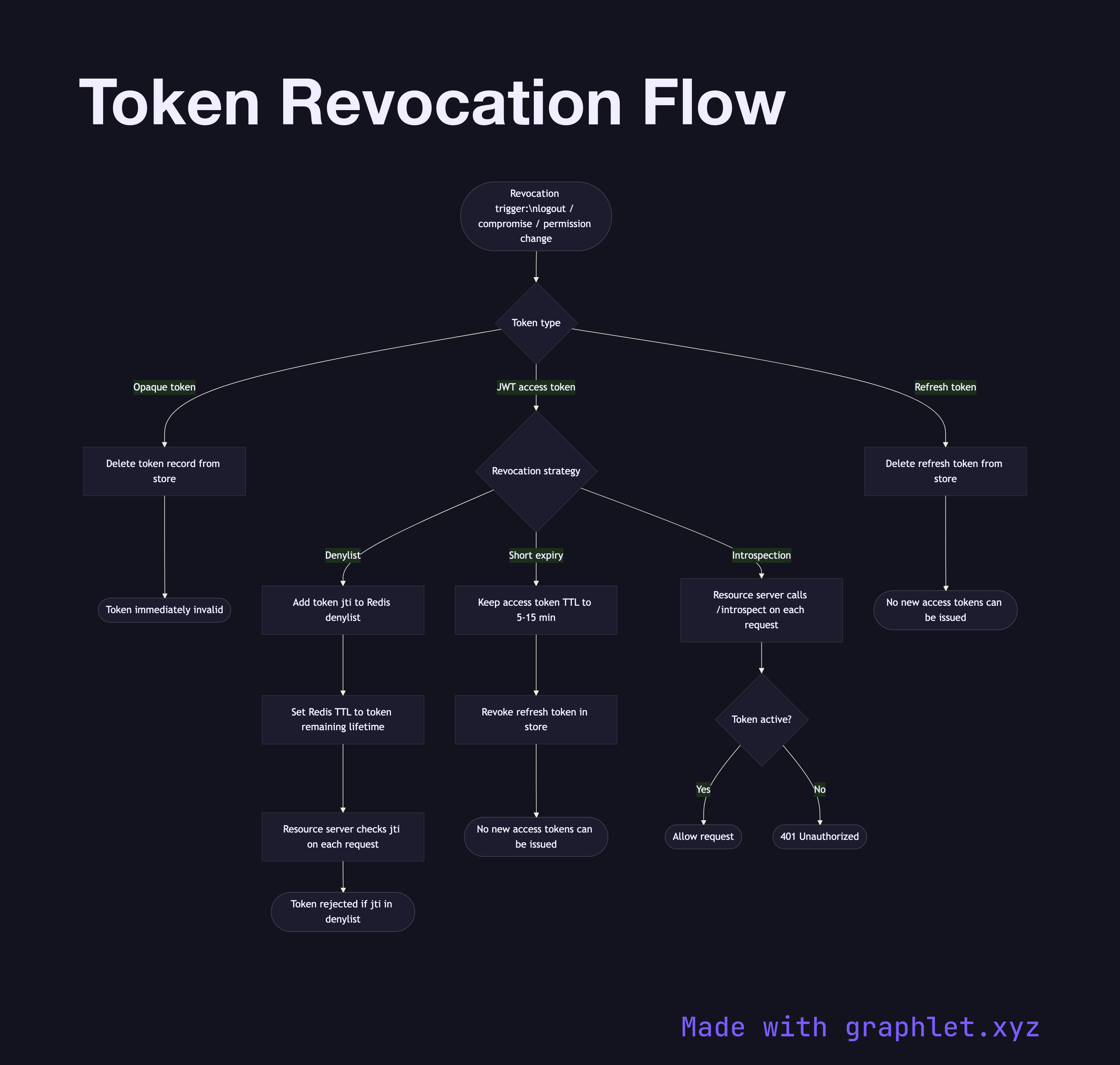
Token Revocation Flow flowchart diagram
Token Revocation Flow
flowchart
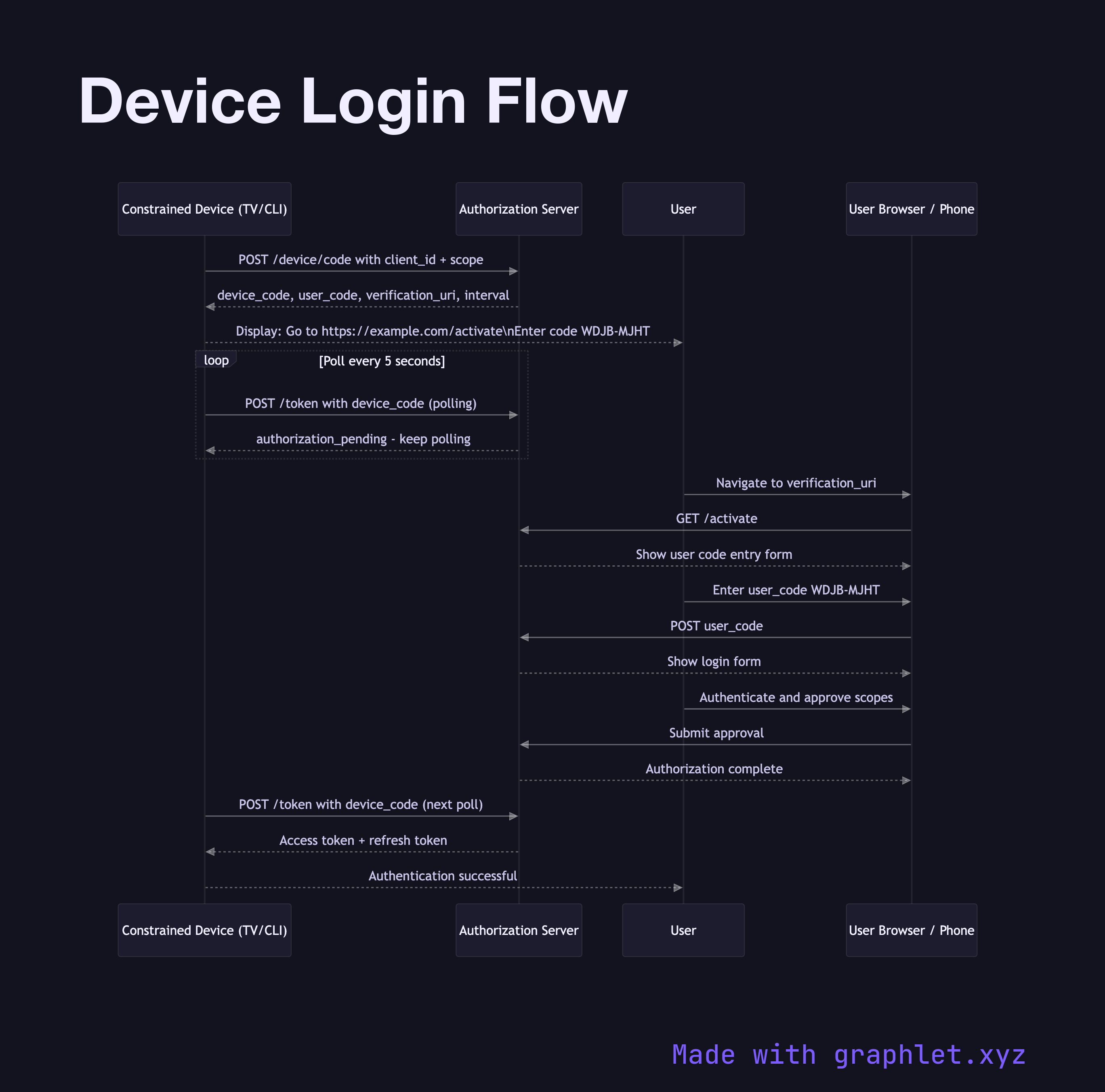
Device Login Flow sequence diagram
Device Login Flow
sequence
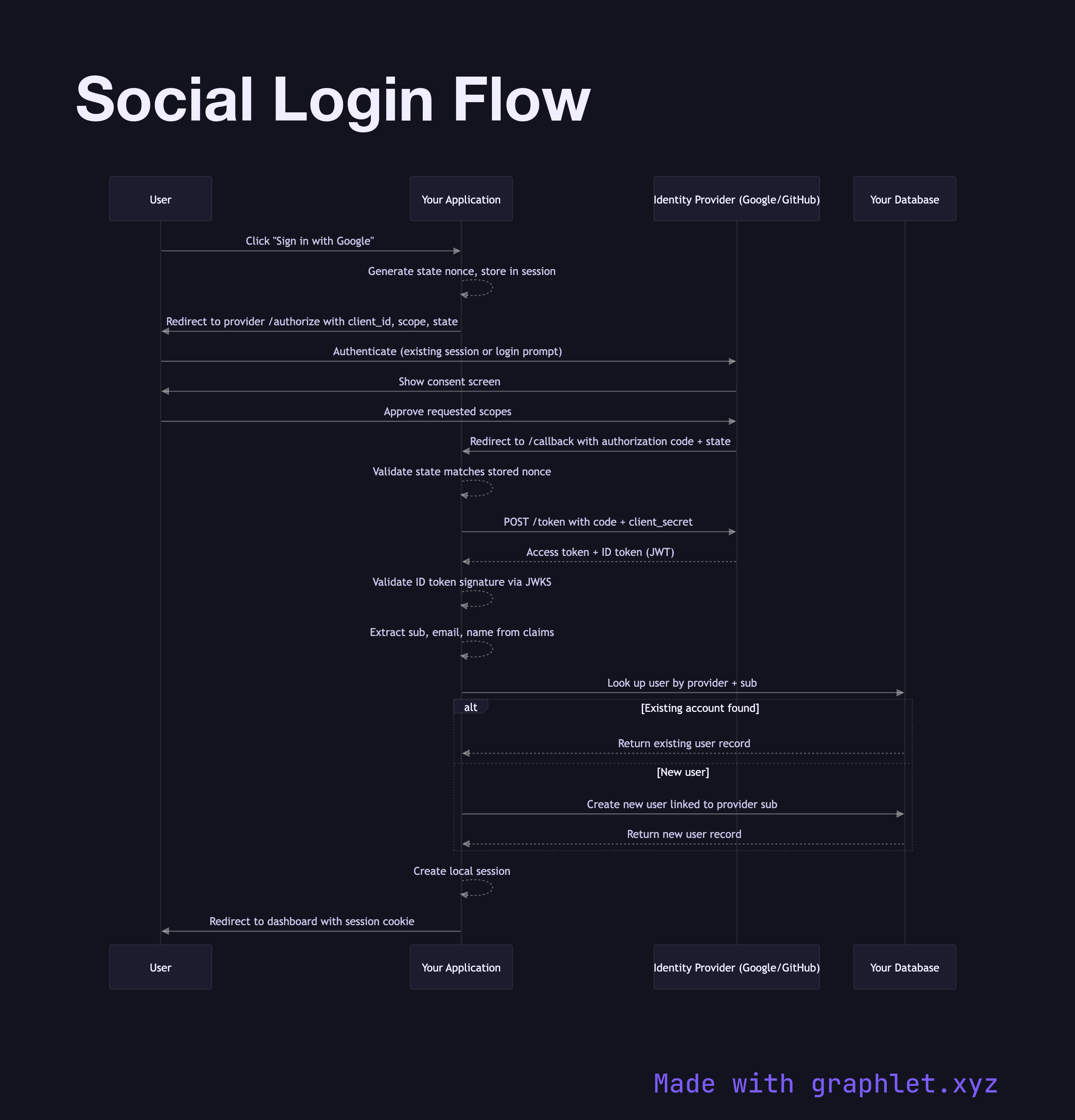
Social Login Flow sequence diagram
Social Login Flow
sequence
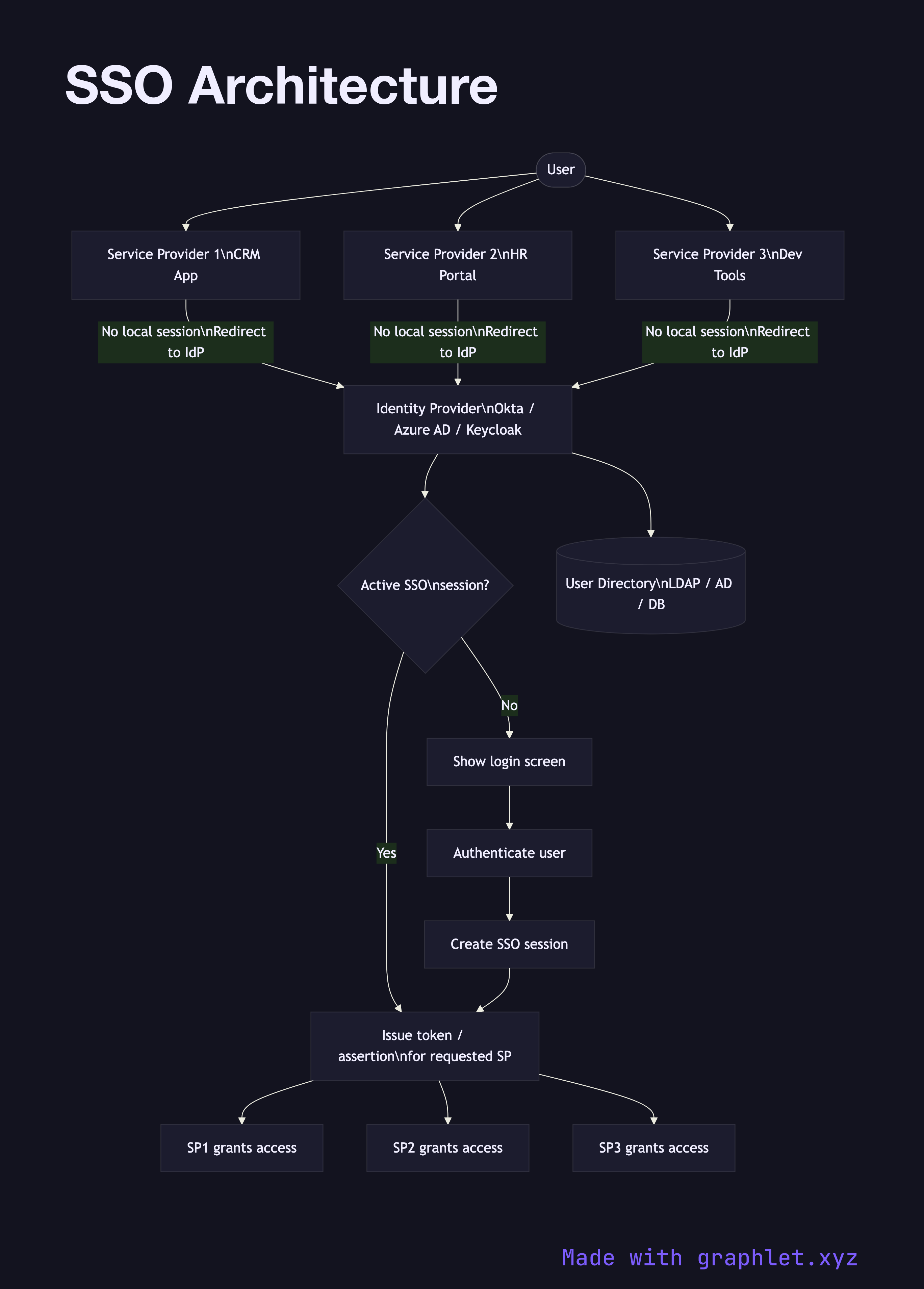
SSO Architecture flowchart diagram
SSO Architecture
flowchart
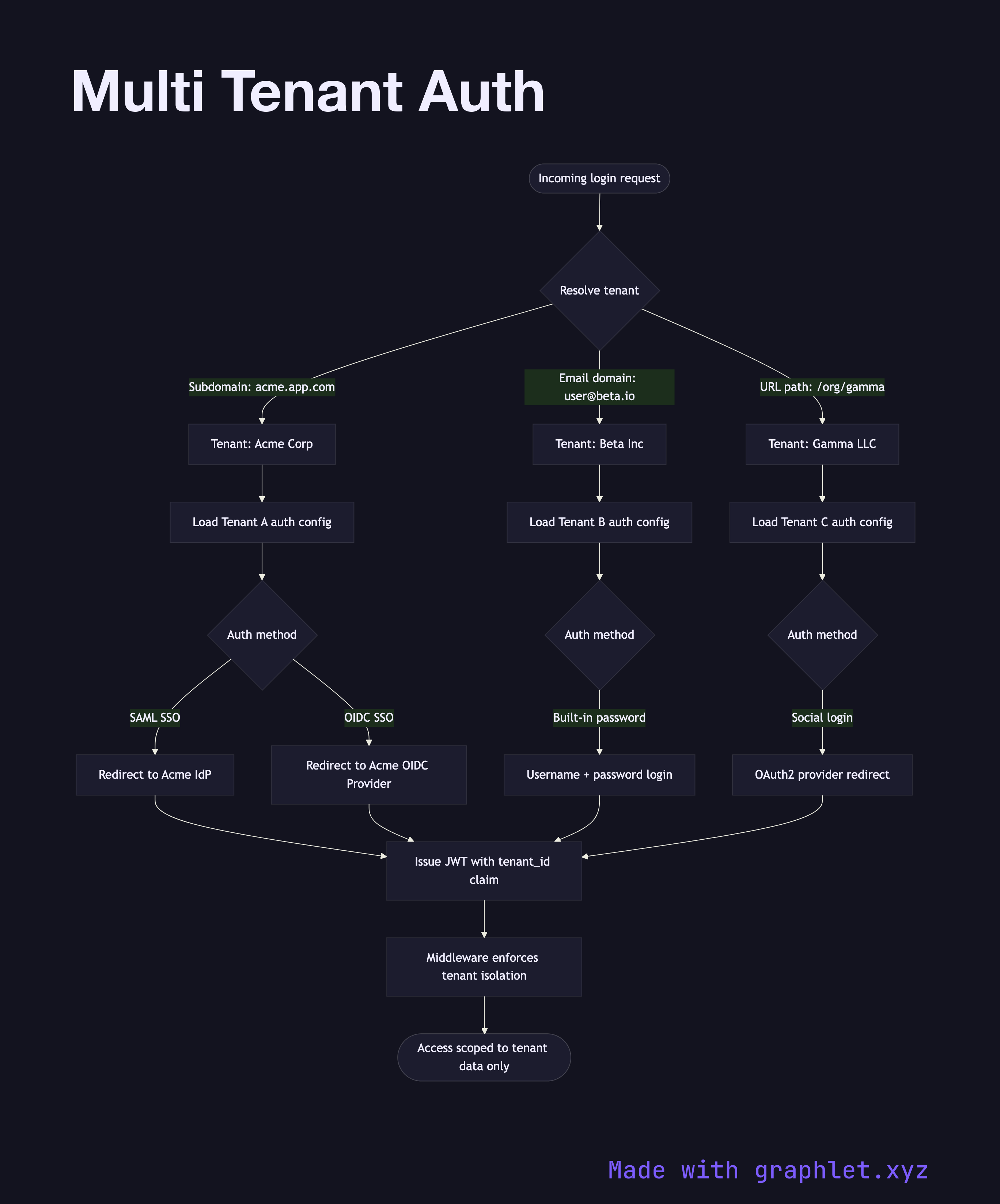
Multi Tenant Auth flowchart diagram
Multi Tenant Auth
flowchart
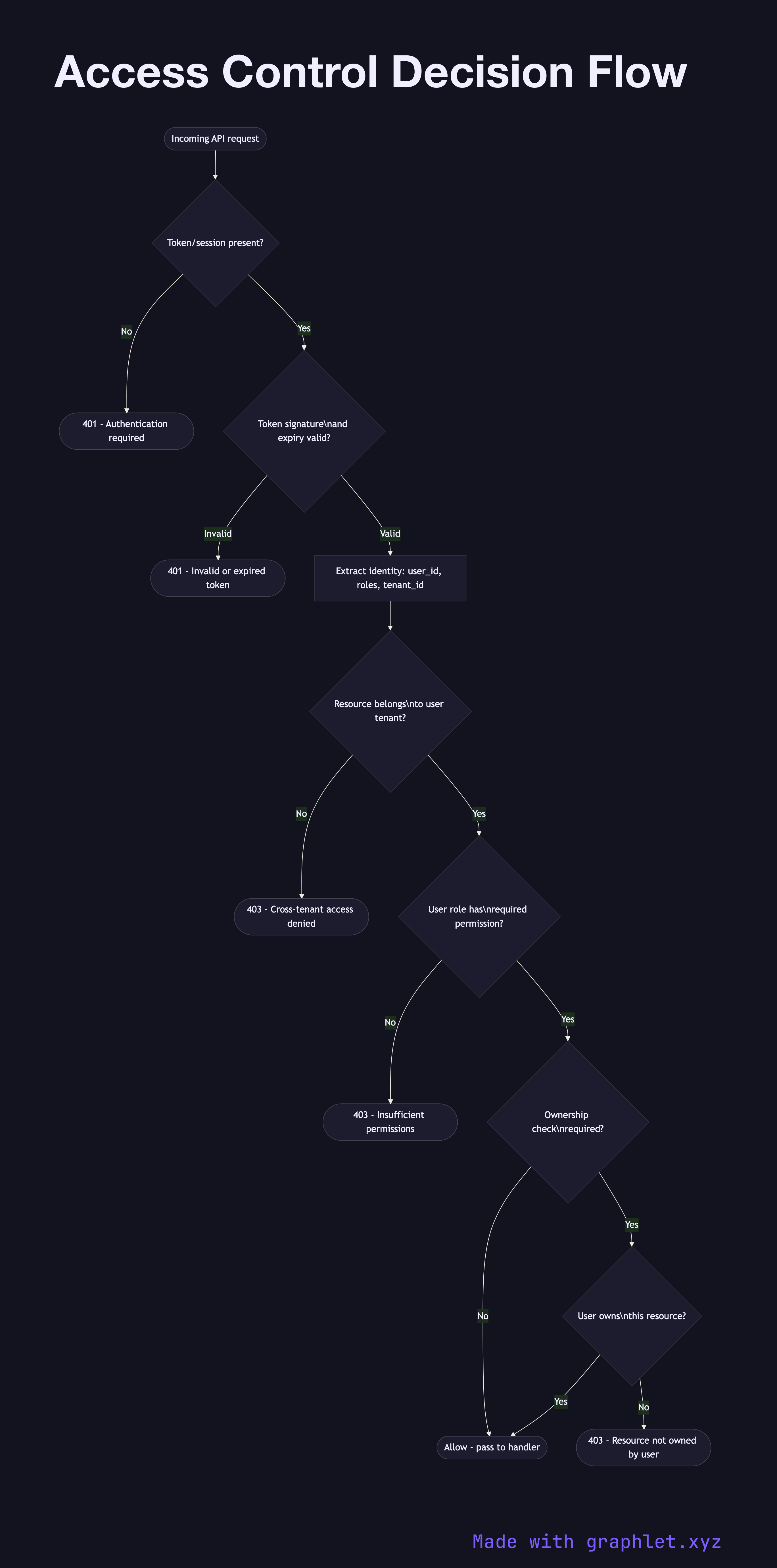
Access Control Decision Flow flowchart diagram
Access Control Decision Flow
flowchart

Frequently asked questions

This collection covers 20 distinct patterns spanning delegation protocols (OAuth2, OIDC, SAML), token mechanics (JWT, refresh rotation, revocation), access control models (RBAC, ABAC), and user-facing flows (2FA, magic links, social login, device login). Each diagram is interactive and editable in Graphlet.
If you are building a user-facing web application, start with the OAuth2 Authorization Code Flow — it is the foundation most other patterns build upon. For microservice APIs with no user interaction, start with OAuth2 Client Credentials Flow. For understanding token structure, begin with JWT Authentication Flow.
Yes. Each diagram is a Mermaid source file you can embed in Markdown documentation, export as SVG or PNG, or open in Graphlet to customise. They are designed to communicate real protocol mechanics accurately, not just illustrate concepts at a high level.
Authentication answers "who are you?" — it verifies identity through credentials, tokens, or assertions. Authorization answers "what are you allowed to do?" — it checks permissions once identity is established. This collection covers both: OAuth2, JWT, and session flows handle authentication; RBAC, ABAC, and the access control decision flow handle authorization.
Free online editor
Edit any diagram in Graphlet
Open, fork, and export to SVG or PNG. No sign-up required.
Open Graphlet →